Montgomery Village · Gaithersburg · Montgomery County, MD
24/7 Dispatch · (240) 207-7823
Water DamageServicesFire DamageMold Remediation
Water Damage Services

Storm Damage Restoration In Montgomery Village, MD

In June 2024, a tornado tracked directly through the Montgomery Village, Gaithersburg, Germantown, North Potomac, and Boyds corridor, dropping a tree into a home on Dogwood Drive in Gaithersburg and trapping five people who had to be rescued. Storms here are capable of real structural damage, and when wind opens up a roof or drives rain through siding, the water damage that follows moves fast. We respond to both: the emergency stabilization and the restoration after.
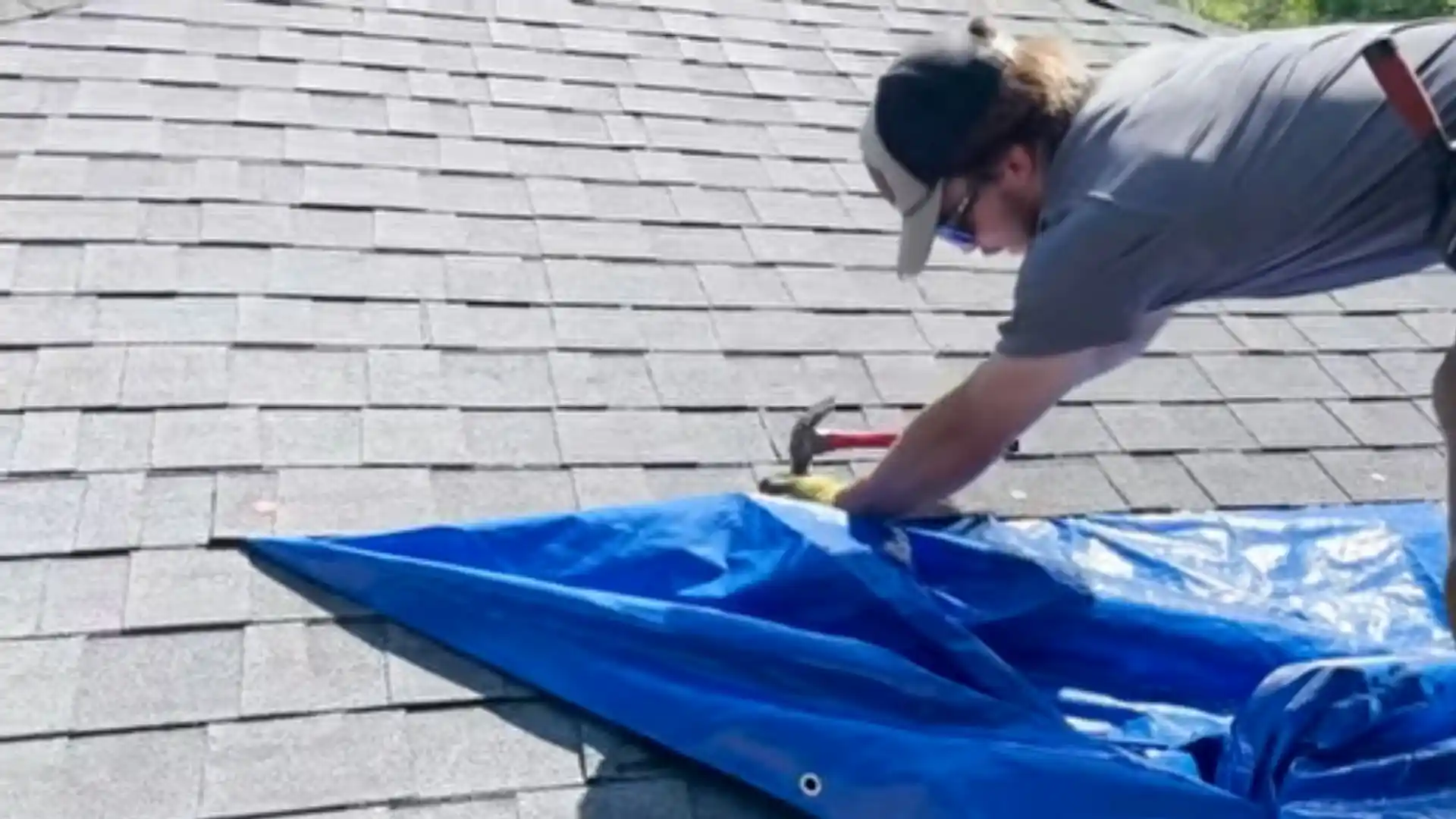
Storm-damaged roof with emergency tarp in Montgomery Village, MD
24/7 Emergency ResponseCrews dispatch immediately, any hour
☎ Call Now
🛡️Licensed & Insured Crews
📋Insurance & HOA Documentation
⏱️24/7 Emergency Dispatch
📍Serving Montgomery Village & Montgomery County

When Wind Opens The Building Envelope

Most storm damage calls in this area aren't about a tree through the living room, they're about the building envelope failing in smaller, sneakier ways. Wind lifts a course of shingles and the next rain finds the gap.

A gust drives rain horizontally into a seam in the siding, and a week later there's a stain spreading across an interior wall with no obvious source.

That second scenario comes up more than most homeowners expect: water entering through damaged or aging exterior siding and soaking the wall cavity behind it is one of the most common storm-related calls we take, and it's frequently misdiagnosed as a plumbing leak first.

Our storm response starts with stabilization, emergency roof tarping, board-up for broken windows or doors, and stopping active water entry. Then the water side of the job begins: tracing how far moisture traveled inside walls and ceilings with meters rather than guesswork, followed by water mitigation and monitored drying of every affected cavity.

Tree Impact And Structural Damage

When a tree or large limb does come down on a structure, as it did on Dogwood Drive during the June 2024 event. The job has three phases that need to happen in the right order. First, make the structure safe and weather-tight, which usually means coordinated tree removal and immediate tarping. Second, address the water: a punctured roof during an active storm means rain has been entering the attic and running down through ceiling cavities, so ceiling water damage repair and cavity drying are almost always part of a tree-strike job even when the hole itself looks small. Third, structural repair of framing, roof decking, and finishes.

Montgomery Village's mature tree canopy is one of the planned community's best features, but it also means large, established trees standing close to homes throughout the older sections.

After any significant wind event, it's worth walking your property line, a leaning tree or a cracked major limb over a roof is a call to make before the next storm, not after.

Documentation For Storm Claims

Storm claims often involve multiple types of damage on one loss, roof, siding, interior water, sometimes contents, and adjusters want each documented separately. We photograph exterior entry points, map interior moisture with readings by room, and produce a written scope that separates wind damage from resulting water damage, which is exactly the distinction most policies care about.

For shared structures in the Village's townhome clusters, we can also prepare documentation for the Montgomery Village Foundation or your cluster association when the damaged element is a common one.

Wind Damage Assessment And The Insurance Documentation It Requires

Wind damage and water damage are often the same event but different insurance conversations, and understanding the distinction helps homeowners navigate a storm claim more smoothly. Wind uplift on a roof, shingles lifted or torn away by sustained gusts, is typically documented separately from the water intrusion that follows through the opening it created. Adjusters generally want both documented: the wind-caused structural damage (missing shingles, damaged flashing, displaced siding) and the resulting interior water damage, because some policies handle wind and water damage under different provisions or deductibles.

This is also where the distinction between legitimate restoration contractors and so-called storm chasers, out-of-town crews that follow major weather events and often disappear after collecting a deposit, matters most. A reputable local company with a fixed address and a track record in Montgomery County isn't going anywhere after your roof is tarped; that continuity matters when a claim takes weeks to resolve and follow-up repairs are needed.

Emergency tarping and board-up services, the immediate stabilization work that happens before full storm damage restoration begins, deserve their own mention here because they're often billed and documented separately from the repair itself. A professional tarp job should be photographed before and after, itemized on its own line, and performed with materials rated to hold through the following days of weather, not a quick patch that fails in the next windstorm. We treat emergency stabilization as a distinct, fully documented phase precisely because insurance adjusters expect to see it that way.

After The Storm Passes: A Homeowner's Checklist

Once conditions are safe, a twenty-minute walk-around catches most storm damage while it's still small. Outside: scan the roofline for lifted or missing shingles, check siding seams and corners on the windward side, look for granule piles at downspout exits (a shingle-wear signal), and inspect trees for cracked limbs hanging over the structure.

Inside: check ceilings on the top floor, closet ceilings especially. Stains show up there first because nobody's looking. And sniff the attic if you can reach it; wet insulation announces itself.

Photograph anything questionable with a timestamp. If you find active entry or staining, that's the call; if you find exterior damage but no interior signs yet, it's still worth an assessment before the next rain finishes the experiment for you.

Common Questions

Storm Damage Restoration FAQ

Can you tarp my roof before doing the full repair?

Yes, and in an active weather pattern that's usually the right move. Emergency tarping stops further water entry immediately, buys time for the insurance process, and can be done the same day you call. Full roof and structural repair follows once the scope is agreed.

Water is coming through my wall during storms but I can't find a leak. What is it?

That pattern usually points to wind-driven rain entering through the exterior, damaged siding, a failed flashing detail, or a gap at a penetration, rather than a plumbing leak. It typically only appears during storms with wind from a particular direction, which is a diagnostic clue in itself. We trace the entry point from outside and the moisture path from inside.

Does homeowner's insurance cover storm damage?

Wind damage and the resulting interior water damage are generally covered perils under standard homeowner's policies, unlike rising floodwater. The key is documenting that interior water damage resulted from the storm-created opening, which is the core of the report we produce.

Related Services

You May Also Need

Ceiling Water Damage Repair

View Service →

Flood Damage Restoration

Full Service Details →

Storm Damage To Your Home?

Tarping, board-up, and water mitigation crews dispatch around the clock during and after severe weather.

☎ Call (240) 207-7823