Germantown is one of Maryland's largest communities and one of its most townhome-dense, a landscape of clustered villages built rapidly through the 1980s and 90s along the I-270 corridor. That density is exactly our home game: shared walls, shared risers, and HOA structures are what Montgomery Village trained us on, and Germantown runs on the same architecture at larger scale.
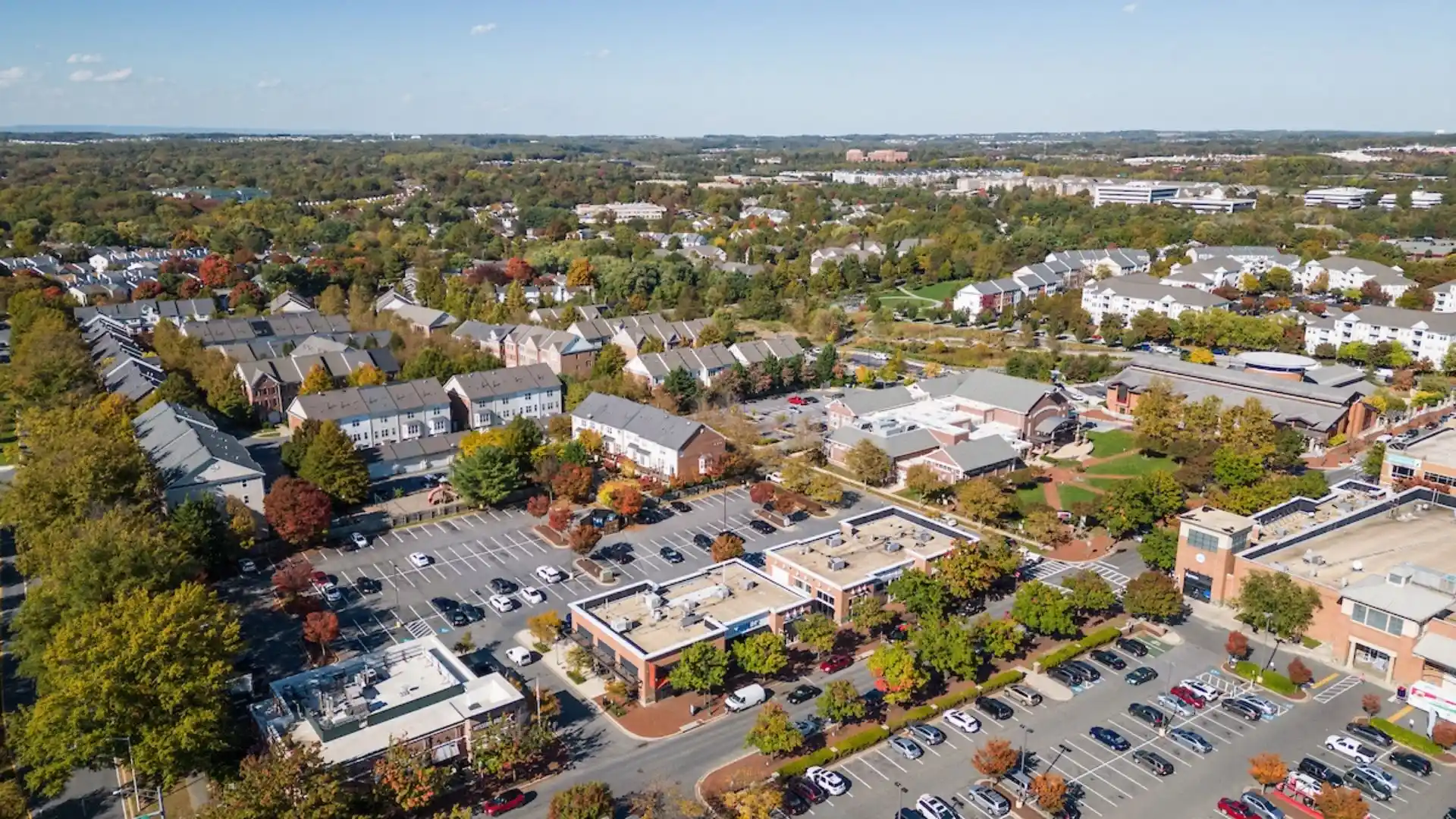
Germantown's development plan organized it into villages, Churchill Town Sector, Milestone, Clopper's Mill, Neelsville, Kingsview, and more, and filled them substantially with attached housing.
For restoration purposes, attached means connected: a burst pipe in one townhouse wets the party wall both units share; a roof leak in a multi-unit building travels the shared attic; a unit-above washing machine failure is a unit-below ceiling collapse.
Our working week is full of exactly these losses, and the approach we've built, moisture direction-finding across unit boundaries, per-unit documentation for each household's insurer, and HOA-formatted reporting where common elements are involved, transfers to Germantown's cluster associations without translation.
Germantown sits squarely in the path the June 2024 tornado took through upcounty, the same storm system that dropped a tree into a Gaithersburg home tracked through the Germantown area, and the community's mix of mature trees and dense rooflines is a wind-event exposure profile our storm damage work is calibrated for.
On the water side, Germantown drains to Seneca Creek and Little Seneca, the stream-valley geography that concentrates the county's flash-flood pattern.
And the community's long grades mean downhill units and stream-adjacent sections collect what upstream impervious surface sheds.
When county-wide events like July 2025's flash flood arrive, Germantown's call volume reflects its size: a lot of rooftops, a lot of basements, a lot of simultaneous emergencies, which is an argument for calling early in an event, while dispatch queues are short.
Germantown's housing economics give it a high share of condo ownership and tenant-occupied units, and both multiply the parties in any loss. A condo water event splits between unit policies and the master policy; a rental adds landlord and tenant interests to the insurance picture; and a tenant-occupied condo manages all three at once.
We've made the paperwork side of these losses a deliberate competence: documentation packages split by responsible party, direct communication with property managers and management companies, and scopes that separate building elements from contents and improvements the way the policies do.
For the corridor's commercial spaces, the retail centers and flex-office parks along 118 and Wisteria, the commercial water and commercial mold protocols apply.
I-270 and Route 118 make Germantown a fast dispatch from our Montgomery Village base, upcounty geography that looks far on a map and drives short in practice.
The full service list runs here daily: extraction and drying, smoke restoration in the townhome clusters where one unit's kitchen fire is the block's smoke event, and the mold work that shared-wall moisture and finished basements generate. Same crews, same standards, same 24/7 dispatch as everywhere on our map, with the townhome fluency Germantown's housing stock specifically rewards.
Germantown's size means county-wide storms hit it with county-scale volume, hundreds of simultaneous water emergencies across the villages when a flash-flood event lands.
Two pieces of practical advice from the dispatch side of those days: call at the first sign of a problem rather than waiting to see how bad it gets, because queue position matters when everyone's basement is wet at once; and describe your situation completely on that first call, active inflow versus standing water, affected square footage, utilities status, because accurate triage is how the worst situations get crews first and everyone gets them fastest.
Between events, the preparedness basics earn their keep here like nowhere else on our map: tested sumps, known shutoffs, and our number saved before it's needed.
Extraction, drying, and repair for floods, burst pipes, and leaks in Germantown.
View Services →Smoke, soot, and fire restoration for Germantown homes and businesses.
View Services →Typically each policy covers its own unit's damage, with subrogation between insurers sorting fault afterward, and HOA master policies entering where common elements are involved. Our per-unit documentation with moisture direction-finding gives both carriers what they need; you shouldn't have to wait on the fault question to start drying.
Regularly. Cluster associations, condo boards, and management companies get HOA-formatted documentation, direct communication, and scopes split by responsibility. It's the same association fluency our Montgomery Village base requires daily.
Corridor routes make Germantown a quick run, inside our 60-minute average under normal conditions. During county-wide storm events, early calls matter most; queues build fast in a community this size.
Townhome specialists, corridor-fast dispatch, around the clock.
☎ Call (240) 207-7823