Montgomery Village · Gaithersburg · Montgomery County, MD
24/7 Dispatch · (240) 207-7823
Water DamageServicesFire DamageMold Remediation
Water Damage Services

Water Mitigation In Montgomery Village, MD

Mitigation is the emergency medicine of water damage, the immediate interventions in the first hours that determine how big the loss ultimately gets. Stop the source, extract the water, protect what's not yet wet, start the drying. Every dollar and day the full restoration ends up costing is largely decided by how fast and how well mitigation happens.
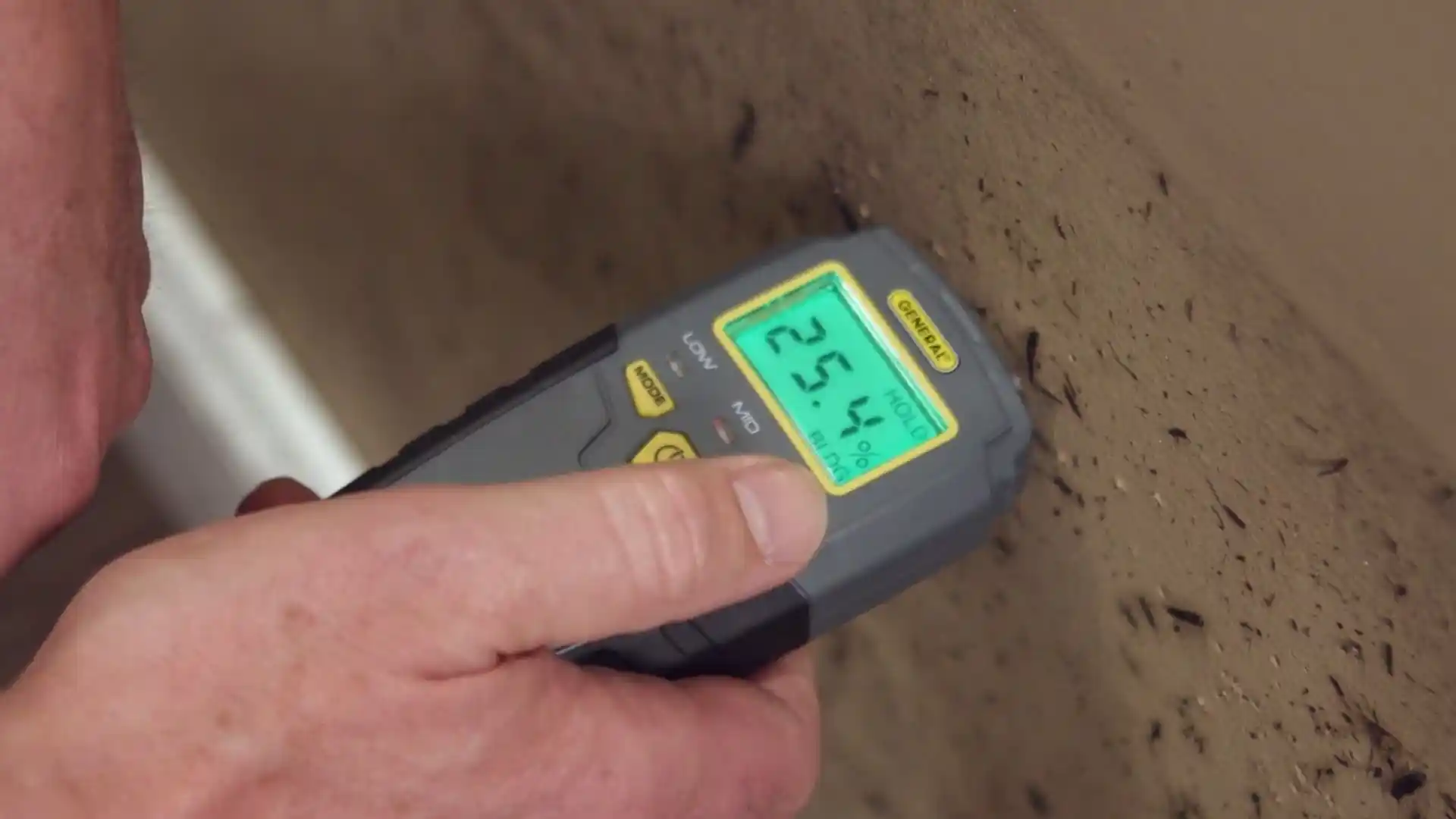
Water mitigation emergency assessment in a residential home in Montgomery Village, MD
24/7 Emergency ResponseCrews dispatch immediately, any hour
☎ Call Now
🛡️Licensed & Insured Crews
📋Insurance & HOA Documentation
⏱️24/7 Emergency Dispatch
📍Serving Montgomery Village & Montgomery County

Mitigation Vs. Restoration: The Distinction That Matters

The two words get used interchangeably, but they're different phases with different clocks. Mitigation is damage control: performed within hours, aimed at stopping the loss from growing. Restoration is repair: performed over days and weeks, aimed at returning the home to pre-loss condition.

A ceiling collapse gets tarped and dried during mitigation; it gets rebuilt during restoration. The distinction matters practically because insurance policies obligate homeowners to mitigate. To take reasonable prompt steps to prevent further damage. And delays in mitigation can complicate claims in a way delays in restoration don't.

In practice our mitigation response covers: locating and stopping the water source (or coordinating the plumber who can), emergency extraction of standing water, moving contents out of harm's way, controlled removal of materials that are already unsalvageable and holding water against everything else, and immediate setup of drying equipment with the first moisture readings logged.

That first-visit documentation, timestamps, photos, readings. Becomes the foundation of the entire claim.

The First Hours, Hour By Hour

Here's what fast mitigation actually changes. In the first hour, water is spreading laterally across floors and beginning to wick into drywall and casework. Extraction now means the water line stays low.

By hours four to eight, moisture is migrating into wall cavities and under flooring; contents sitting in water are absorbing it; the damage footprint is roughly doubling.

Past 24 hours, microbial amplification begins in wet organic materials, and by 48 hours mold growth is likely underway in whatever stayed wet. At which point the job has grown a remediation component that prompt mitigation would have prevented entirely.

This is why our dispatch runs around the clock and why we tell every caller the same thing: the call you make at 2 a.m. is worth more than the call you make at 9 a.m. The house doesn't wait for business hours, and neither does the math above.

What You Can Do Before We Arrive

Mitigation starts with you, in the minutes after discovery. Shut the water off. At the fixture stop if the source is obvious, at the main (usually where the service enters the house, often near the water meter) if it isn't.

Kill power to affected areas at the breaker if water is near outlets or appliances. Move what's movable up and out of the water. Electronics, documents, anything on the floor that matters. Photograph as you go.

Skip the hairdryers, fans-on-carpet, and other improvisations; unassisted airflow on saturated materials mostly just spreads moisture. Those few actions, taken while the crew is en route, routinely shrink losses by a meaningful margin.

Mitigation As A Policyholder Obligation, Not Just A Service

Water mitigation carries a legal dimension homeowners sometimes don't realize: most insurance policies explicitly require the policyholder to take reasonable steps to prevent further damage after a loss, language usually found in the policy's "duties after loss" section. This isn't a minor technicality. An insurer can potentially reduce a claim payout if they determine the homeowner failed to mitigate reasonably, for example, by leaving standing water for days before calling anyone. Understanding this obligation reframes the urgency around calling a restoration company quickly: it's not just about limiting damage, it's about protecting your claim.

The IICRC S500 Standard for Professional Water Damage Restoration, the industry reference document that defines mitigation best practices, specifies response time expectations, moisture documentation requirements, and drying verification standards that professional restoration companies are trained against. When you're comparing restoration companies, asking whether their technicians hold IICRC Water Damage Restoration Technician (WRT) certification is a fair, specific question that reflects genuine training against this standard, not just marketing language.

The mitigation-versus-restoration distinction also matters for insurance line-item purposes: mitigation (extraction, drying, emergency board-up) is typically processed and approved faster than restoration (rebuilding, refinishing, replacing damaged materials), since mitigation prevents the loss from growing while restoration returns the property to pre-loss condition. Adjusters generally want to see mitigation begin immediately regardless of whether the full restoration scope has been agreed upon, which is why our emergency response never waits on a completed insurance approval before starting the mitigation phase.

Common Mitigation Mistakes That Make Losses Bigger

A few well-intentioned moves reliably backfire in the first hours. Running the home's HVAC to “help dry things out” distributes humid air, and any contamination, through the duct system to unaffected rooms.

Aiming household fans at soaked carpet evaporates surface water while leaving pad saturated, creating exactly the dried-on-top illusion that delays real drying. Ripping out wet materials indiscriminately destroys the claim documentation an adjuster needs and sometimes removes things that would have dried in place.

And the biggest one: waiting to call anyone until the insurance company opens Monday. Mitigation is your duty under the policy and doesn't require prior approval for reasonable emergency steps. The claim can catch up to a properly mitigated loss, but a loss that grew while waiting is grown for good.

Common Questions

Water Mitigation FAQ

Is water mitigation covered by insurance?

Generally yes. Policies not only cover reasonable mitigation costs, they require mitigation as a policyholder duty. Prompt professional mitigation with documentation supports the claim; unexplained delay can count against it. We log timestamps, readings, and actions from first arrival for exactly this reason.

Do I need mitigation for a small leak I already stopped?

If water reached anything absorbent, drywall, flooring, casework, then likely yes, in reduced form. Stopping the source ends the input but not the moisture already inside materials. A quick assessment with a meter tells you whether targeted drying is needed or you're genuinely done.

What's the difference between calling you and calling a plumber?

Complementary jobs: the plumber fixes the pipe; we handle everything the water did on its way out of it. On active-source calls we coordinate both so the sequence is right, source stopped, then extraction, then drying. One call to us sets the whole chain in motion.

Related Services

You May Also Need

Water Extraction

View Service →

Burst Pipe Repair

Full Service Details →

Water Emergency In Progress?

The first hours decide the size of the loss. Mitigation crews dispatch immediately, day or night.

☎ Call (240) 207-7823