Montgomery Village · Gaithersburg · Montgomery County, MD
24/7 Dispatch · (240) 207-7823
Water DamageServicesFire DamageMold Remediation
Mold Remediation Services

Mold Testing In Montgomery Village, MD

Callers ask about mold testing more than almost any other mold service, and they deserve a straight answer about what testing does and doesn't do. Testing identifies species and measures airborne spore levels. Genuinely valuable in specific situations. It does not find hidden mold (that's inspection), and it isn't a prerequisite for removing growth you can already see. Here's how we use it honestly.
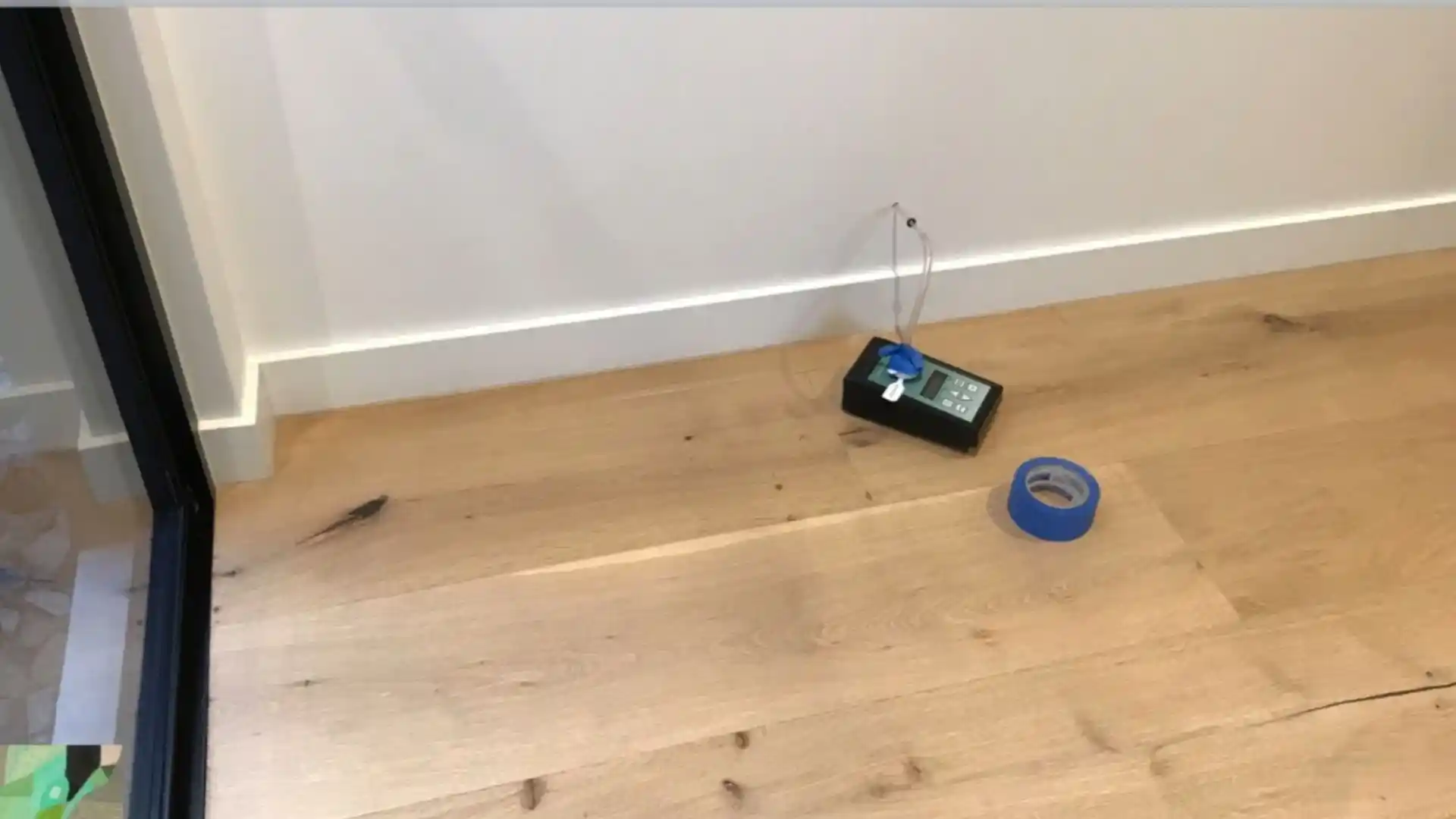
Mold air sampling equipment in a residential room in Montgomery Village, MD
24/7 Emergency ResponseCrews dispatch immediately, any hour
☎ Call Now
🛡️Licensed & Insured Crews
📋Insurance & HOA Documentation
⏱️24/7 Emergency Dispatch
📍Serving Montgomery Village & Montgomery County

What Testing Measures

Two sampling types cover most residential work. Air sampling draws a measured volume through a collection cassette, and the lab counts and identifies spores. Compared against an outdoor baseline sample, it shows whether indoor air carries elevated levels and of what species, which is how hidden or HVAC-distributed contamination reveals itself.

Surface sampling, swab or tape lift from visible growth. Identifies what a specific colony is, which matters when species drives protocol (suspected Stachybotrys) or when documentation needs a named organism.

Results come back from an accredited lab as a report we walk through with you: species present, concentrations, indoor-versus-outdoor comparison, and what it means in plain terms. The lab is independent, a point worth caring about anywhere testing and remediation are sold together, and one we're comfortable being examined on.

When Testing Is Worth The Money

Testing earns its cost in a handful of situations. Unexplained symptoms, respiratory issues or allergy patterns that track with time at home, where air sampling can implicate or clear the house. Musty odor with nothing visible, where elevated counts justify the invasive inspection that finds the source.

Real-estate transactions, where documented results carry weight informal opinions don't. Post-remediation clearance, where sampling verifies the work succeeded. Landlord-tenant disputes needing third-party numbers. And species confirmation when the protocol depends on it.

Where testing is a poor buy: visible mold you already intend to remediate. The sample will confirm what your eyes established. Mold is present. And the money is better spent on the removal itself.

We tell callers this routinely, including callers ready to pay for testing they don't need; the process-oriented homeowners who ask us detailed questions about protocols tend to appreciate the candor.

Testing In The Remediation Sequence

When testing does apply, it slots into a sequence rather than standing alone.

Pre-remediation sampling establishes the baseline and identifies species; inspection locates the growth and the moisture driving it; remediation removes it under appropriate containment; and post-remediation verification, visual assessment plus clearance sampling where the job's scale or stakes warrant it, documents that spore levels returned to normal before containment comes down and rebuilding starts.

That final sample is the one with lasting value: it's the difference between “the crew said it's done” and a lab report saying so, and for anyone selling a home later with a disclosed mold history, it's the document buyers' agents ask for.

Local Patterns Worth Testing Around

Montgomery Village's humid climate keeps baseline outdoor spore counts seasonally high, which is exactly why the indoor-outdoor comparison methodology matters. Raw indoor numbers mean little without the baseline, and a summer sample read without one would alarm half the county.

The local housing patterns show up in results too: basement-heavy single-family sections produce the moisture-linked species profile (tied to the seepage patterns our basement water work addresses), while condensation-driven growth in low-airflow spots, closets, behind furniture on exterior walls, produces a different signature.

The species tell the story of the moisture, which is ultimately what any good mold investigation is reading for.

And if you're comparing providers: ask any testing service two questions, which independent lab analyzes the samples, and whether an outdoor baseline is included. The answers separate measurement from theater faster than anything else on the quote.

Air Sampling Methodology And What Lab Results Actually Show

Spore trap air sampling, the most common testing method for indoor mold assessment, draws a measured volume of air through a cassette that captures airborne particles on a sticky surface, which a laboratory then examines under a microscope to identify and count spore types. The results are always compared against an outdoor baseline sample taken the same day, since outdoor air naturally carries mold spores too, and the meaningful finding is whether indoor levels or species composition differ significantly from what's naturally present outside, not whether spores are present at all.

ERMI testing (Environmental Relative Moldiness Index), a DNA-based method that analyzes dust samples for genetic material from a specific panel of mold species, offers a different kind of information than air sampling: it reflects a longer history of mold presence in a space rather than a snapshot of current airborne levels, which makes it useful for some research and specialized assessment contexts, though it's less commonly used in routine residential remediation than spore trap sampling.

Choosing an accredited mold testing laboratory matters more than people often realize; look for AIHA (American Industrial Hygiene Association) laboratory accreditation specifically for mold analysis, which indicates the lab follows standardized identification and quality-control protocols. We use independent, accredited labs for exactly this reason: testing performed by the same company that might perform remediation work carries an inherent conflict of interest that an independent lab avoids entirely, and it's a distinction worth asking about when comparing testing providers.

Common Questions

Mold Testing FAQ

How much does mold testing cost and how long do results take?

Cost depends on sample count. A typical air-sampling visit runs a few samples including the outdoor baseline. Lab turnaround is normally a few business days, with rush available. Call and describe the situation; we'll tell you honestly whether testing is even the right spend before quoting it.

Can you test and also do the remediation, or is that a conflict?

We do both, and the conflict concern is fair. It's why analysis goes through an independent accredited lab, why we'll tell you when testing isn't needed, and why clearance sampling after our own remediation uses the same independent lab. You're welcome to source clearance testing separately; the results should agree.

My test showed elevated spores but I can't see any mold. Now what?

That combination means hidden growth, commonly inside a wall cavity, above a ceiling, or in the HVAC system. Next step is targeted inspection: moisture mapping and controlled cavity checks guided by the species and concentrations found, which usually narrow the search considerably.

Related Services

You May Also Need

Mold Inspection

View Service →

Black Mold Removal

See How We Handle This →

Need Answers About Your Air?

Sampling with independent lab analysis. And straight talk about whether you need it.

☎ Call (240) 207-7823