Montgomery Village · Gaithersburg · Montgomery County, MD
24/7 Dispatch · (240) 207-7823
Water DamageServicesFire DamageMold Remediation
Mold Remediation Services

Mold Inspection In Montgomery Village, MD

Inspection is detective work: something, a smell, a symptom, a stain, a suspicion. Says mold, but nothing definitive is visible. A mold inspection is the systematic search that either finds the growth and its moisture source or gives you a documented reason to stop worrying. Both outcomes have real value, and we deliver whichever one the building supports.
Mold inspection using a moisture meter in Montgomery Village, MD
24/7 Emergency ResponseCrews dispatch immediately, any hour
☎ Call Now
🛡️Licensed & Insured Crews
📋Insurance & HOA Documentation
⏱️24/7 Emergency Dispatch
📍Serving Montgomery Village & Montgomery County

What An Inspection Actually Involves

A proper inspection is moisture-led, because mold is always downstream of water. The visual survey covers the known suspects. Plumbing runs, window and door perimeters, exterior wall corners, closets and low-airflow zones, under-sink cabinets, the basement's usual confession points.

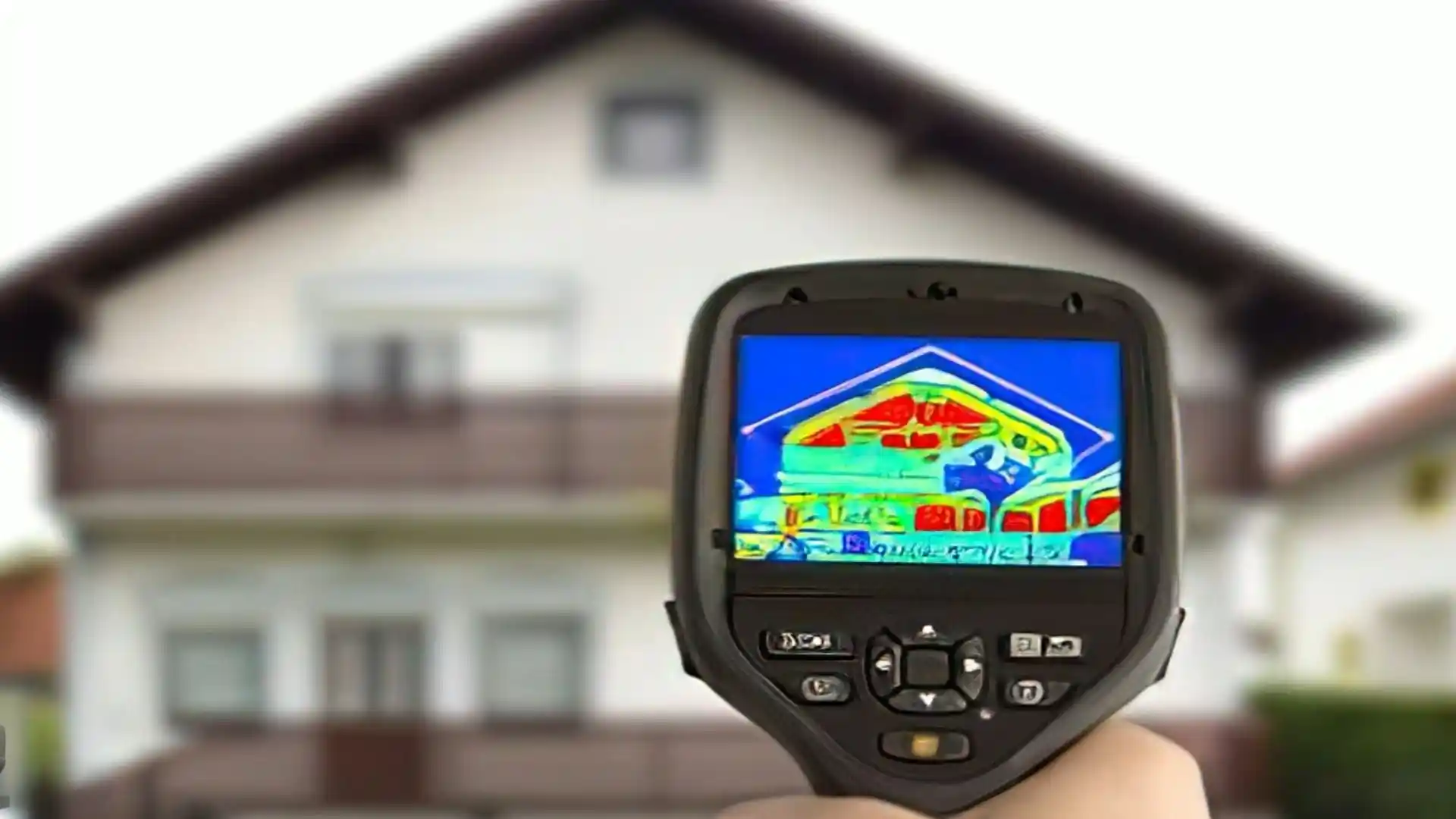
Moisture metering maps what eyes can't: elevated readings inside walls and ceilings that mark where water is or recently was. Thermal imaging, where conditions suit it, shows the temperature signatures of dampness and missing insulation across whole surfaces at once.

And the investigation follows the building's own testimony, the stain's shape, the smell's gradient, the reading's trail, to a conclusion: growth located and scoped, moisture source identified, or a clean bill with the numbers to back it.

Inspection Versus Testing, Plainly

The two services get conflated constantly, so: inspection finds mold and moisture, it's a search of the building. Testing measures and identifies, it's analysis of samples.

They pair naturally (an air sample showing elevated spores justifies the inspection that locates the source; an inspection finding suspect growth may add a sample to name the species) but neither substitutes for the other, and buyers are routinely sold the wrong one. The quick guide: mystery smell or symptoms with nothing visible.

Start with inspection, add air sampling if the search needs narrowing. Visible growth you intend to remove. Skip both and scope the removal. Documentation needs (transactions, disputes, clearance). Testing, attached to whatever inspection the facts require.

The Hiding Places This Housing Stock Prefers

Decades of inspections in any community build a map of its habits, and the Village's housing has clear ones. In the townhome clusters: shared plumbing walls, where a neighboring unit's slow leak grows mold on your side of the assembly.

The cross-unit scenario that makes moisture direction-finding matter; and the closets on shared walls, combining still air with party-wall temperature differentials. In the single-family sections: finished basements with buried moisture history, band joists above foundation walls, and the windward-side wall cavities where the siding-intrusion pattern our storm work sees feeds hidden growth.

Everywhere: behind furniture on exterior walls, under sinks, around the attic hatch. An inspection here starts with this map and lets the meters redraw it for your specific house.

What You Get, Either Way

Every inspection ends in a written finding, and the two versions are equally deliverable. Version one: growth or active moisture located, you receive the documented extent, the moisture source identified as specifically as non-invasive methods allow, photos and readings, and a remediation scope with real numbers, which flows directly into removal if you proceed.

Version two: no growth found, moisture readings normal, you receive that in writing too, with the readings recorded, which is worth more than it sounds: for a sale, a dispute, a tenant conversation, or your own household's peace of mind, “professionally inspected, documented dry” is a genuinely useful artifact.

We schedule same-day where dispatch allows, and the visit is priced as the diagnostic it is, not as a sales call for remediation you may not need.

Booking note: inspections are among the few services here that reward scheduling flexibility, a dry-weather visit gives baseline readings, while inspecting during or just after rain catches active intrusion in the act. If your symptoms correlate with weather, say so when you call and we'll time the visit to catch the building misbehaving.

Detection Technology That Finds What Isn't Visible Yet

Moisture meters come in two main types, and knowing the difference explains why an inspector might use both during a single visit. Pin-type meters, which use two small probes inserted slightly into a material, measure moisture content directly at the probe location and are useful for spot-checking specific concern points, though the small holes they leave are a minor consideration on finished surfaces. Pinless meters, which use electromagnetic sensing through the material's surface without any penetration, scan larger areas quickly and non-invasively, making them the tool of choice for the initial broad survey of a room before pin-type meters confirm specific readings.

Infrared thermal imaging cameras, which visualize surface temperature differences rather than moisture directly, reveal patterns associated with moisture (evaporative cooling creates a detectable temperature signature) across entire wall or ceiling surfaces in seconds, often revealing the true extent of a moisture problem far faster than manual meter surveying alone. Thermal imaging findings are always confirmed with direct moisture meter readings, since temperature differentials can have other causes (insulation gaps, framing behind drywall) that aren't moisture-related.

Borescope inspection, using a small camera on a flexible or rigid shaft inserted through a small drilled access point, allows direct visual inspection inside wall cavities without the destructive opening a full investigation would otherwise require, a genuinely useful tool when moisture readings and thermal patterns point to a specific cavity but visual confirmation is needed before recommending a larger opening. Hygrometers, measuring ambient relative humidity rather than material moisture content, round out a thorough inspection by documenting the room conditions that either support or discourage the growth an inspection is trying to explain.

Common Questions

Mold Inspection FAQ

I smell mustiness but see nothing. Can an inspection really find it?

That's the inspection's home game. Odor means microbial activity somewhere air reaches, and moisture mapping plus the odor gradient usually corners it: a wall cavity, under flooring, above a ceiling, in the HVAC path. If non-invasive methods can't close the case, we'll say exactly where controlled access would, and why.

Do you do mold inspections for home purchases in Montgomery Village?

Yes, both directions: buyers wanting a suspect house examined beyond the general inspection, and sellers wanting a documented clean report or a chance to fix findings on their own schedule. Township housing with shared assemblies benefits particularly; general inspectors rarely chase moisture across unit lines.

What if the inspection finds nothing but the symptoms continue?

Then you've genuinely narrowed the problem, a documented-dry house points attention toward other allergen sources, HVAC filtration, or ordinary seasonal loads, and air sampling can add numbers to that picture. A clean inspection isn't a dead end; it's half the differential done.

Related Services

You May Also Need

Mold Testing

View Service →

Basement Mold Removal

Full Service Details →

Something Says Mold But You Can't Find It?

Moisture-led inspections that end in answers, same-day scheduling where available.

☎ Call (240) 207-7823