Basements are where Montgomery Village's mold problems concentrate, and the reason is simple arithmetic: below-grade spaces collect every moisture source a house has, groundwater pressure, humidity, plumbing, and the residue of past floods, while offering the least ventilation and light to fight back with. Basement mold removal is remediation aimed at the specific ways these spaces get and stay wet.
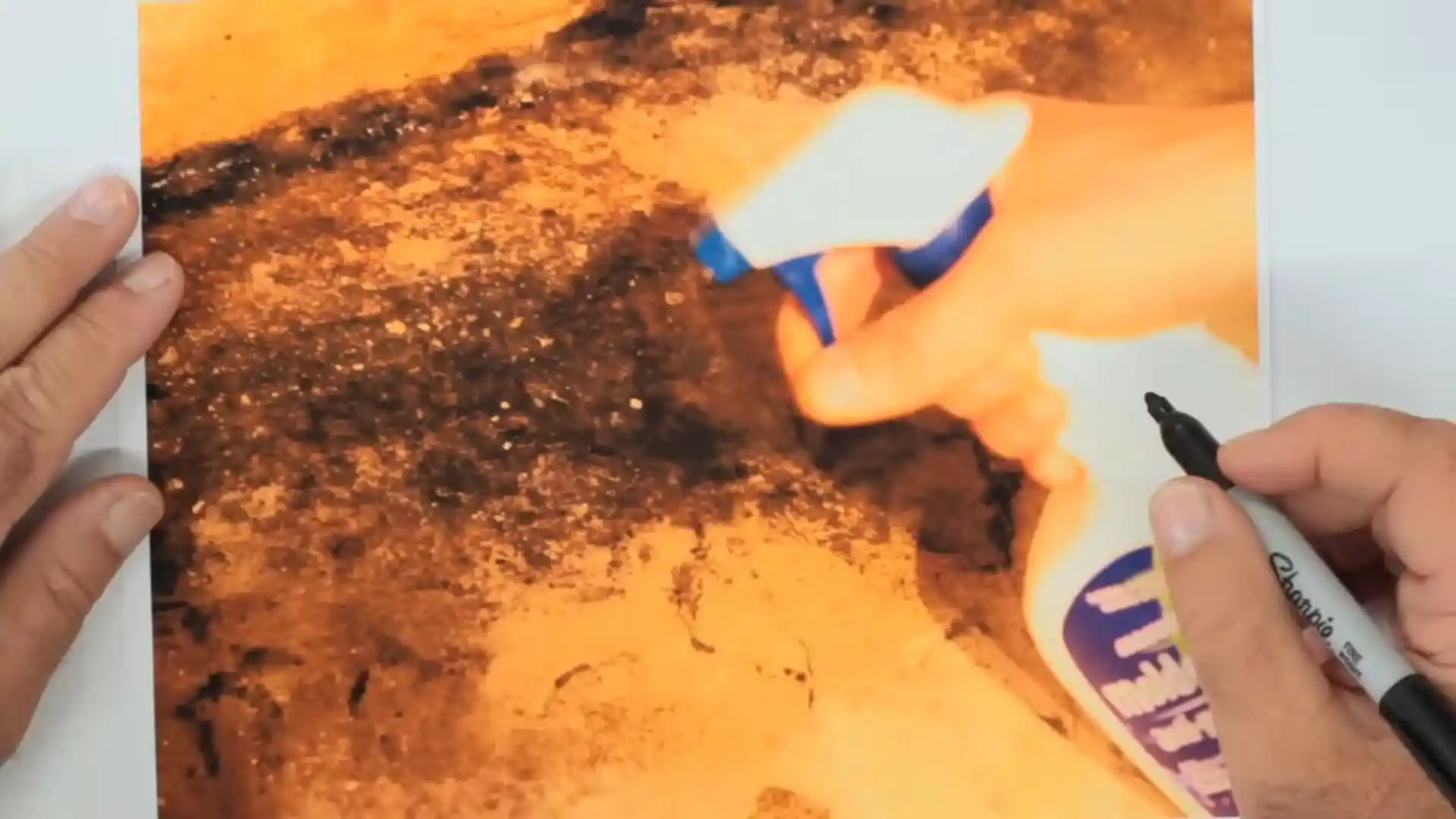
Nearly every basement mold job tells one of two stories, and telling them apart drives the fix. This is the leak-versus-condensation distinction that runs through all our mold work, in its basement-specific form.
Story one: event-driven mold, growing where a past water intrusion, a flood, a sump failure, chronic seepage at a wall, left materials wet. It tracks the water's footprint: the base of one wall, the corner that seeps, the room that flooded last spring.
Story two: humidity-driven mold, growing wherever the basement's ambient dampness condenses, scattered across cold walls, on stored boxes and furniture, in that distinctive pattern of “a little bit everywhere” rather than one concentrated area.
The distinction matters because the corrections differ completely: event mold needs the entry pathway fixed and the affected assembly properly dried and remediated; humidity mold needs the basement's moisture balance changed, dehumidification, ventilation, and sometimes just moving storage off exterior walls.
Unfinished basements are the straightforward case: growth on masonry cleans and treats well, framing gets surface remediation, contaminated stored contents get triaged, and the concrete tells you honestly where water has been.
Finished basements, the rec rooms and lower-level living spaces common across the Village's single-family sections, are the harder and more common job: growth found on the visible face of drywall usually means more behind it, carpet over slab hides moisture history, and remediation involves opening the assembly to the real extent of colonization.
We open conservatively but honestly, cutting to where growth actually stops, not where we hoped it would, because remediation that leaves colonized material sealed behind new drywall is the origin story of every “the mold came back” call we take.
Where the finished basement's history includes a flood that was extracted but never professionally dried, expect the moisture map to explain a lot; slab-absorbed water releases upward into framing and flooring for days after a DIY cleanup ends.
Every basement remediation closes with the conditions conversation, because Village basements will regrow mold if their physics don't change.
The reliable levers: continuous dehumidification sized to the space, targeting the humidity range that denies mold its moisture; correcting the water entry documented during assessment, the sump, grading, and seepage issues our basement water removal page covers from the water side; airflow for the dead zones (storage areas, closets, behind furniture on foundation walls.
The same low-circulation spots where condensation mold starts everywhere in the house); and storage habits, since cardboard on concrete is a mold starter kit. None of it is expensive relative to a second remediation, and the completion report ranks the items by yield for your specific basement.
Basement air doesn't stay in the basement, the stack effect draws it upward through the house as warm air rises and escapes above, which means basement mold contributes spores to the living space even when nobody spends time down there.
It's the answer to “why does it matter if it's just the basement?” and it's measurable: air sampling upstairs frequently reflects a basement problem below. Families noticing allergy or respiratory patterns at home, particularly ones that ease away from the house, have a legitimate reason to put the basement first on the inspection list.
Basements are naturally more humid than above-grade living space because they're in contact with the earth and typically have less air exchange, which means the humidity target that prevents mold growth, generally 45 to 55 percent relative humidity, requires active management rather than passive hope in most Montgomery County basements, particularly during summer months. A continuously running dehumidifier, sized to the basement's square footage and connected to a drain line for hands-off operation, is the most reliable way to maintain that target rather than relying on periodic manual dehumidifier emptying that inevitably lapses.
Crawl space encapsulation, sealing a crawl space's earthen floor and walls with a heavy vapor barrier and often adding dedicated conditioning, addresses basement-adjacent moisture sources that a basement dehumidifier alone can't reach; ground moisture migrating up through an unsealed crawl space is a surprisingly common contributor to basement humidity levels that homeowners trace to the wrong source.
For finished basements specifically, material selection during any post-remediation rebuild meaningfully affects long-term mold resistance: moisture-resistant drywall (sometimes called "green board" or "purple board," referring to its distinctive facing color) resists the paper-facing mold growth standard drywall is prone to, and it's a modest cost difference worth specifying whenever a basement wall is being rebuilt after remediation, not just in areas with direct water contact.
Possibly. But white crystalline deposits on masonry are often efflorescence, mineral salts left by water moving through the wall, not organism growth. Fuzzy texture and growth on organic materials points to mold; crusty crystals on bare block point to efflorescence. Both mean moisture is moving; only one needs remediation. An assessment settles it quickly.
Dehumidification stops future growth; it doesn't remove existing colonization, which continues releasing spores and allergens even when dormant. The working combination is remediation of what's grown plus the humidity control that prevents its successors. One without the other tends to disappoint.
Yes. Crawl spaces and partial-height basement sections get the same protocol adapted to access: containment at openings, remediation of framing and surfaces, removal of contaminated insulation or debris, and moisture correction, often including ground-vapor barriers where bare earth is feeding humidity upward.
Remediation plus the moisture fix that makes it stick, assessments scheduled fast.
☎ Call (240) 207-7823