Montgomery Village · Gaithersburg · Montgomery County, MD
24/7 Dispatch · (240) 207-7823
Water DamageServicesFire DamageMold Remediation
Water Damage Services

Sewage Backup Cleanup In Montgomery Village, MD

A sewage backup announces itself from the bottom of the house up: a basement floor drain that starts bubbling, a lower-level toilet that rises instead of flushing, a shower drain turning the wrong direction. It means the drain line between your house and the sewer main is blocked or overwhelmed. And everything trying to leave the house is coming back instead. Cleanup for a backup is its own discipline, and it starts with stopping the source.
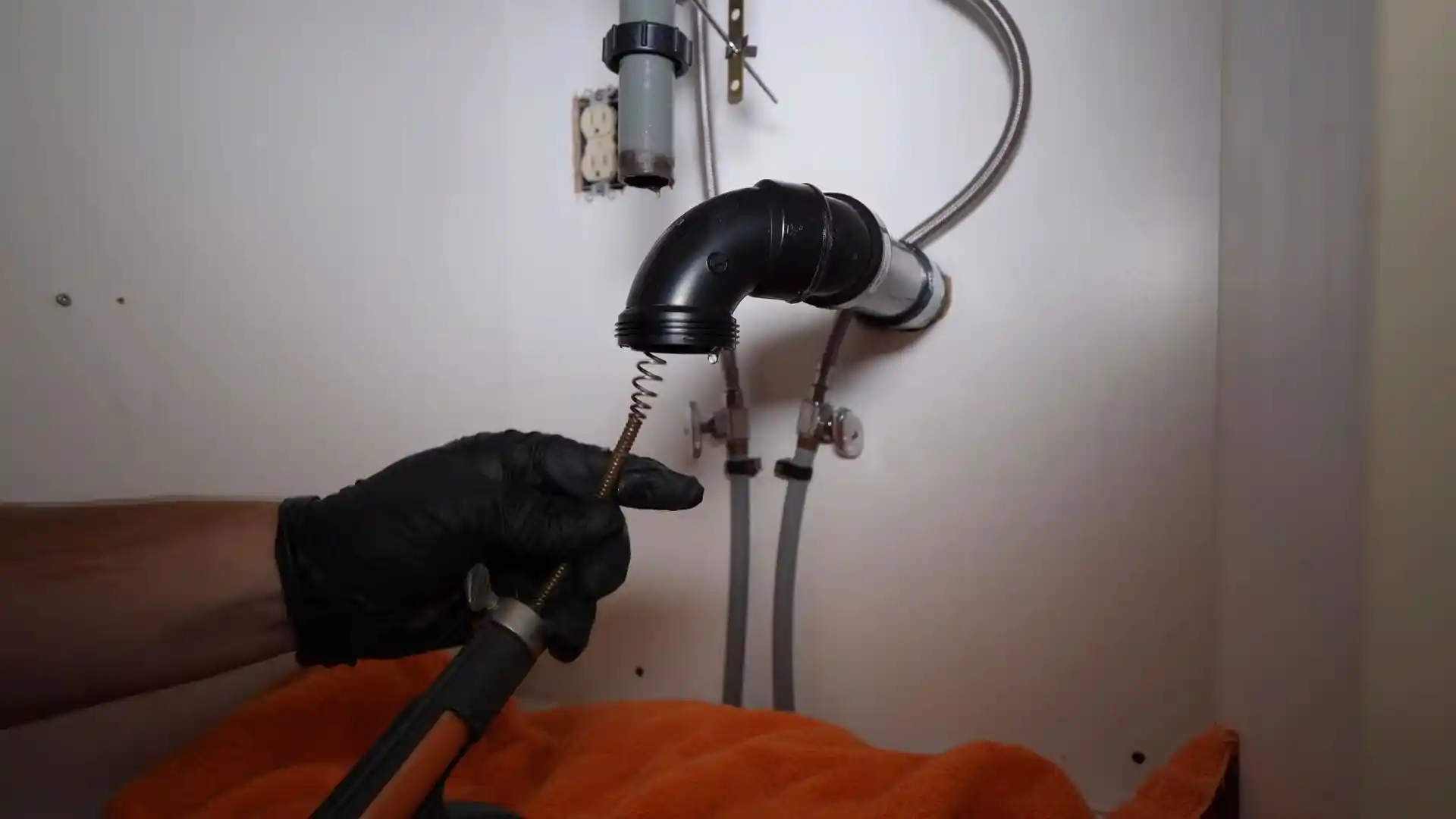
Sewage backup cleanup equipment near a basement floor drain in Montgomery Village, MD
24/7 Emergency ResponseCrews dispatch immediately, any hour
☎ Call Now
🛡️Licensed & Insured Crews
📋Insurance & HOA Documentation
⏱️24/7 Emergency Dispatch
📍Serving Montgomery Village & Montgomery County

Why Backups Happen In Established Neighborhoods

Montgomery Village's housing stock dates largely to the community's original development decades, which means its drain infrastructure has had a long time to develop the classic failure modes: tree roots finding their way into clay or older PVC laterals joint by joint, pipe bellies forming as soil settles under a line, and grease accumulation narrowing the pipe year over year until a single heavy-use day finishes the job.

The Village's mature tree canopy, genuinely one of its best features, is also its laterals' biggest long-term adversary.

Weather plays a role too. During intense rain events of the kind Montgomery County's flash-flood pattern produces, combined flows can overwhelm sections of the municipal system, and the surcharge pushes back up private laterals into the lowest fixtures of homes, which is why backups cluster during the same storms that cause flooding, and why a basement can take on sewage without anything being wrong with your own plumbing at all.

Cleanup After A Backup

Backup water is Category 3, the same contamination class as raw sewage, because that's what it is.

The cleanup protocol mirrors our sewage cleanup service: containment first so contamination doesn't spread through the house on shoes and equipment, extraction of water and solids, removal of porous materials that can't be sanitized (pad, saturated carpet, wicked drywall), antimicrobial disinfection of everything that stays, and monitored drying to close it out.

What's distinct about backups is the source problem. Cleanup can't finish while the line is still blocked, the next flush or laundry cycle recontaminates the space. We coordinate the sequence: line clearing or repair by a drain contractor, verification that flow is restored, then final disinfection and drying.

If the backup reached finished spaces and sat, moisture in wall cavities becomes the follow-on risk, and structural drying with meter verification is what prevents a contamination event from maturing into a mold event.

The Endorsement Most Homeowners Haven't Checked

Here's the insurance detail that decides how painful a backup is financially: standard homeowner's policies commonly exclude sewer and drain backups unless the policy carries a specific water-backup endorsement.

An add-on that typically costs little but has to be elected. Some homeowners have it and don't know; others assume they do and don't. Ten minutes with your policy declarations page (look for “water backup” or “sewer backup” coverage) before you ever need it is the cheapest advice on this page.

When a backup does happen, we document the event's source and path specifically so the claim lands correctly under whichever coverage you carry.

Sewer Line Diagnostics That Explain Recurring Backups

When a sewage backup happens more than once at the same address, camera inspection of the sewer lateral is the diagnostic step that turns a guess into an answer. A drain camera, fed through the line from a cleanout access point, shows exactly what's happening inside the pipe: root intrusion at joints, a bellied section holding standing water and debris, scale buildup narrowing the diameter, or a collapsed section requiring replacement. This single inspection typically costs far less than a repeat backup and cleanup, and it converts an open-ended worry into a specific, addressable problem.

Hydro jetting, which uses high-pressure water to clear roots, grease, and debris from a lateral's interior walls, is often the first remedy tried once a camera inspection identifies a partial blockage, and it's considerably less invasive than full pipe replacement. For lines with structural damage rather than simple blockage, trenchless sewer repair (relining the existing pipe from the inside, or bursting the old pipe while pulling a new one through) has become the standard alternative to full excavation, especially for laterals running under mature landscaping or hardscaping that a property owner doesn't want to dig up.

Backwater valve installation, a mechanical valve installed on the lateral that allows flow out but prevents reverse flow during a municipal system surcharge, is worth discussing with a licensed plumber for any home that has experienced a storm-related backup rather than a private line problem. It's a comparatively modest investment against the cost and disruption of even one more contaminated-water cleanup.

One Backup Or A Pattern? How To Tell

A single backup during an extreme rain event, with the line camera showing clean pipe, is plausibly just the storm, municipal surcharge, bad luck, endorsement claim, done.

But certain signs point to a pattern instead: gurgling from other drains when a fixture runs, water backing up at the lowest drain whenever laundry drains upstairs, recurring slow drains that clearing only fixes for a season, or any prior backup at the same address.

Those symptoms describe a lateral with a developing obstruction, roots, a belly, scale. And each backup will arrive with less provocation than the last.

The camera inspection during clearing is what separates the two stories definitively, and it's the single best money spent in the whole event: it converts “hope it doesn't recur” into a known pipe condition and a plan.

Common Questions

Sewage Backup Cleanup FAQ

Sewage is coming up my basement floor drain right now. What do I do first?

Stop putting water into the system, no flushing, no laundry, no dishwasher, no showers. Every gallon used upstairs comes up that drain. Keep people and pets away from the affected area, kill power to it if outlets or appliances are near the water, and call. Don't attempt to plunger a floor drain during an active backup.

Whose responsibility is the blocked line, mine or the county's?

Generally, the lateral from your house to the main is the homeowner's responsibility; the main itself belongs to the utility. Where the blockage sits determines who pays for the line work, a camera inspection during clearing answers it definitively. The cleanup inside your home is a separate scope either way.

Can a backup happen again after cleanup?

If the underlying line condition isn't addressed, yes. Root intrusion and pipe bellies are progressive. We recommend a camera inspection with the line clearing so you know whether you're done or on a countdown. Our completion report notes the source findings for exactly that decision.

Related Services

You May Also Need

Sewage Cleanup

View Service →

Flooded Basement Cleanup

See How We Handle This →

Structural Drying

Full Service Details →

Drains Backing Up Into Your Home?

Stop water use and call, protected cleanup crews dispatch day and night.

☎ Call (240) 207-7823