Sewage in a home is a health event, not just a mess. The water carries bacteria, viruses, and parasites that make DIY cleanup genuinely risky, and everything porous it touches has to be treated as contaminated. Our sewage cleanup crews handle extraction, removal of unsalvageable materials, hospital-grade disinfection, and verified drying, with the protective equipment and protocols this category of water actually requires.
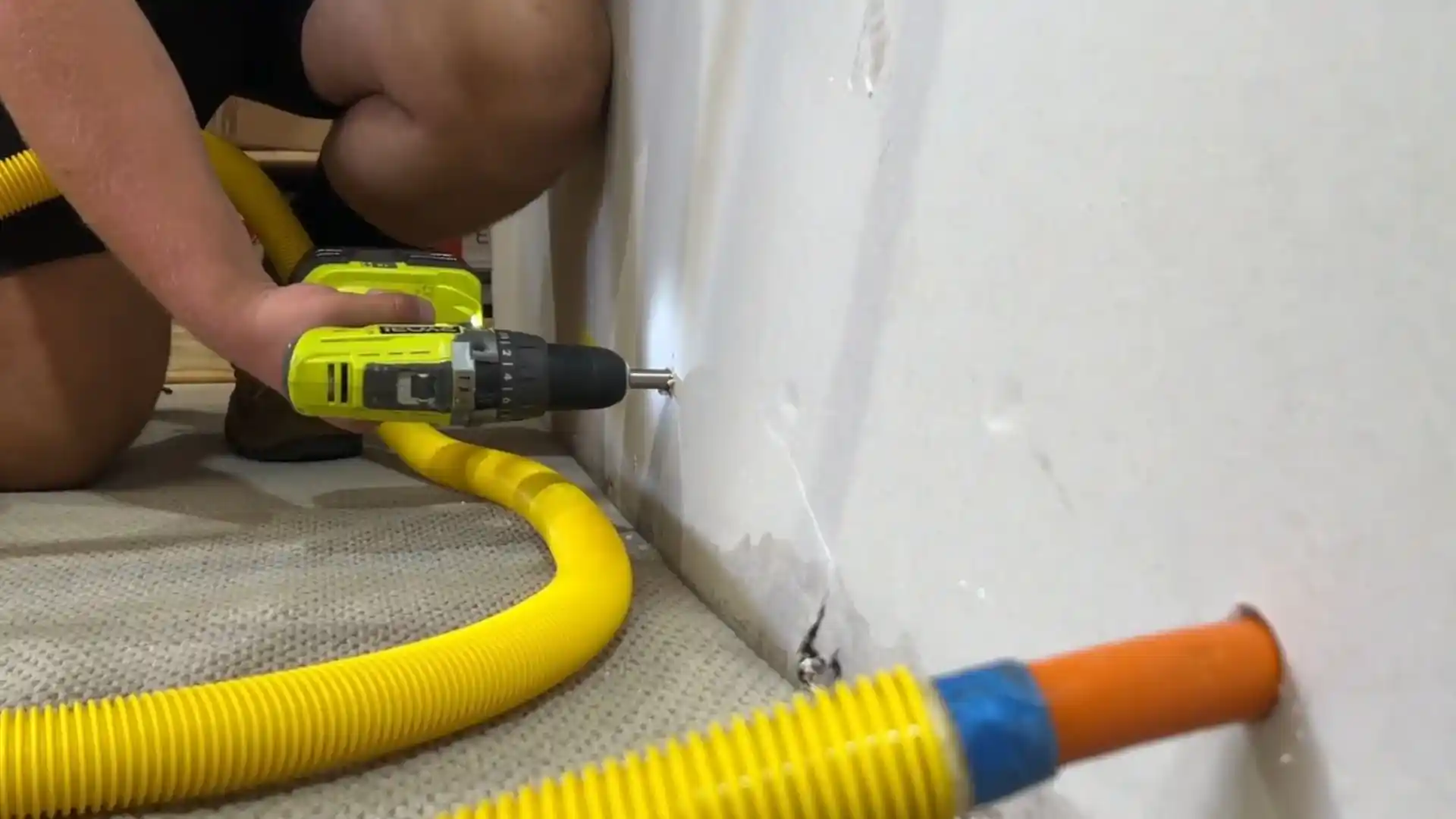
Restoration work classifies water by contamination level, and sewage sits at the top: what the industry calls Category 3, or black water. The practical meaning is that the rules change.
Clean water from a supply line can often be extracted and the materials dried in place. Sewage-contaminated carpet, pad, and drywall below the water line generally cannot be sanitized reliably and must be removed.
Hard surfaces that stay get cleaned and disinfected with antimicrobials, not just mopped. And the crew works in protective equipment because exposure is a real occupational hazard, not an abundance of caution.
This is also why speed matters differently with sewage. With clean water, the urgency is preventing mold.
With sewage, contaminated moisture is actively spreading into materials from the first minute, and the affected zone grows the longer it sits, a backup contained to a bathroom at hour one can involve the hallway subfloor by the next morning.
In the Village, sewage cleanup calls come from two main directions. The first is fixture-level: an upstairs toilet overflow or a failed wax ring that sends contaminated water into the floor cavity and through to the ceiling below.
A scenario that often gets discovered as a stain and turns out to be a sanitation problem, not just a water one. The second is line-level: a blockage or failure in the drain line that pushes sewage back up through the lowest fixtures in the house, usually a basement floor drain or lower-level bathroom.
Line-level events are covered in depth on our sewage backup cleanup page, since they have their own cause-and-prevention story.
Homes dating to the Village's original decades of construction are statistically more likely to see line-level events simply because drain infrastructure ages, root intrusion and pipe bellies develop over decades, and the first symptom is often the backup itself.
Every sewage job follows the same sequence: contain the affected area so contamination doesn't track through the house, extract the water and sewage solids, remove porous materials that can't be sanitized, clean and disinfect all remaining surfaces with antimicrobial agents, and then dry the structure under monitoring the same way we would any water loss, because a disinfected but still-damp floor cavity is a mold remediation job waiting to happen.
The completion report documents contamination extent, what was removed and why, and final readings, which insurance adjusters specifically look for on Category 3 claims.
Sewage cleanup operates under biohazard handling standards that go well beyond typical water damage protocols, and understanding why explains the cost and process differences homeowners sometimes question. OSHA's bloodborne pathogen standard, while written primarily for medical and emergency settings, informs the personal protective equipment and containment practices restoration crews use on Category 3 water losses, because raw sewage carries many of the same pathogen risks. This means full-body protective suits, respirators rated for biological hazards, and strict decontamination procedures for both crew and equipment before leaving the contaminated zone.
Antimicrobial and disinfectant treatment following extraction isn't a single product applied once. EPA-registered hospital-grade disinfectants, applied to all affected hard surfaces after porous materials are removed, are selected based on the specific contamination profile of the loss. Surface disinfection alone isn't sufficient for materials that absorbed contaminated water; that's the entire reason porous materials like drywall, insulation, and carpet padding get removed rather than treated in place.
Common causes of sewage backup, worth understanding for prevention, include root intrusion into aging clay or cast-iron sewer laterals (a frequent issue in Montgomery Village's older sections), grease and debris accumulation narrowing pipe diameter over years, and municipal system surcharge during major storm events overwhelming private connections. Trenchless sewer repair, which relines existing pipe without full excavation, has become a common fix for root-damaged laterals and is worth discussing with a licensed plumber if your sewage backup traces to a line problem rather than a single storm event.
Most sewage exposures in a home context resolve without incident when the cleanup is handled properly, but it's worth knowing what warrants attention. Gastrointestinal symptoms, skin irritation at contact points, or respiratory irritation appearing within days of a sewage event in anyone who contacted the water or spent time in the affected space are all reasons to mention the exposure to a doctor.
Children, older adults, and anyone immunocompromised deserve a lower threshold. Ideally they stay out of the affected area entirely until cleanup and disinfection are verified complete.
None of this is cause for alarm; it's cause for the same seriousness the cleanup protocol itself reflects. The reason professionals wear protective equipment for this work isn't theater, and the reason porous materials get discarded isn't caution for its own sake.
For anything beyond a minor toilet splash on a sealed tile floor, we'd honestly say no. Sewage carries pathogens that cause serious illness, porous materials can't be properly sanitized with household products, and the contaminated area is nearly always larger than what's visible. Professional cleanup exists for this category for a reason.
As a rule: carpet pad, saturated carpet, drywall and insulation below the contamination line, and porous contents like upholstered furniture and cardboard that absorbed the water. Hard, non-porous surfaces, tile, sealed concrete, metal, solid surfaces. Can typically be disinfected and kept.
Many homeowner's policies cover sudden fixture-level events, while backups from the sewer line often require a specific water-backup endorsement, a common add-on that many homeowners don't realize they do or don't have. We document the source clearly so the claim is filed under the right coverage from the start.
Don't handle contaminated water yourself. Protected crews dispatch 24/7 across Montgomery Village.
☎ Call (240) 207-7823