After floodwater recedes, what's left behind is the cleanup: silt tracked through rooms, waterlogged contents, contaminated surfaces, and a structure that's wet everywhere the water reached. Flood cleanup is the labor-intensive middle of a flood event. The mud-out, sanitize, and clear-out phase that has to happen before any drying or rebuilding can start.
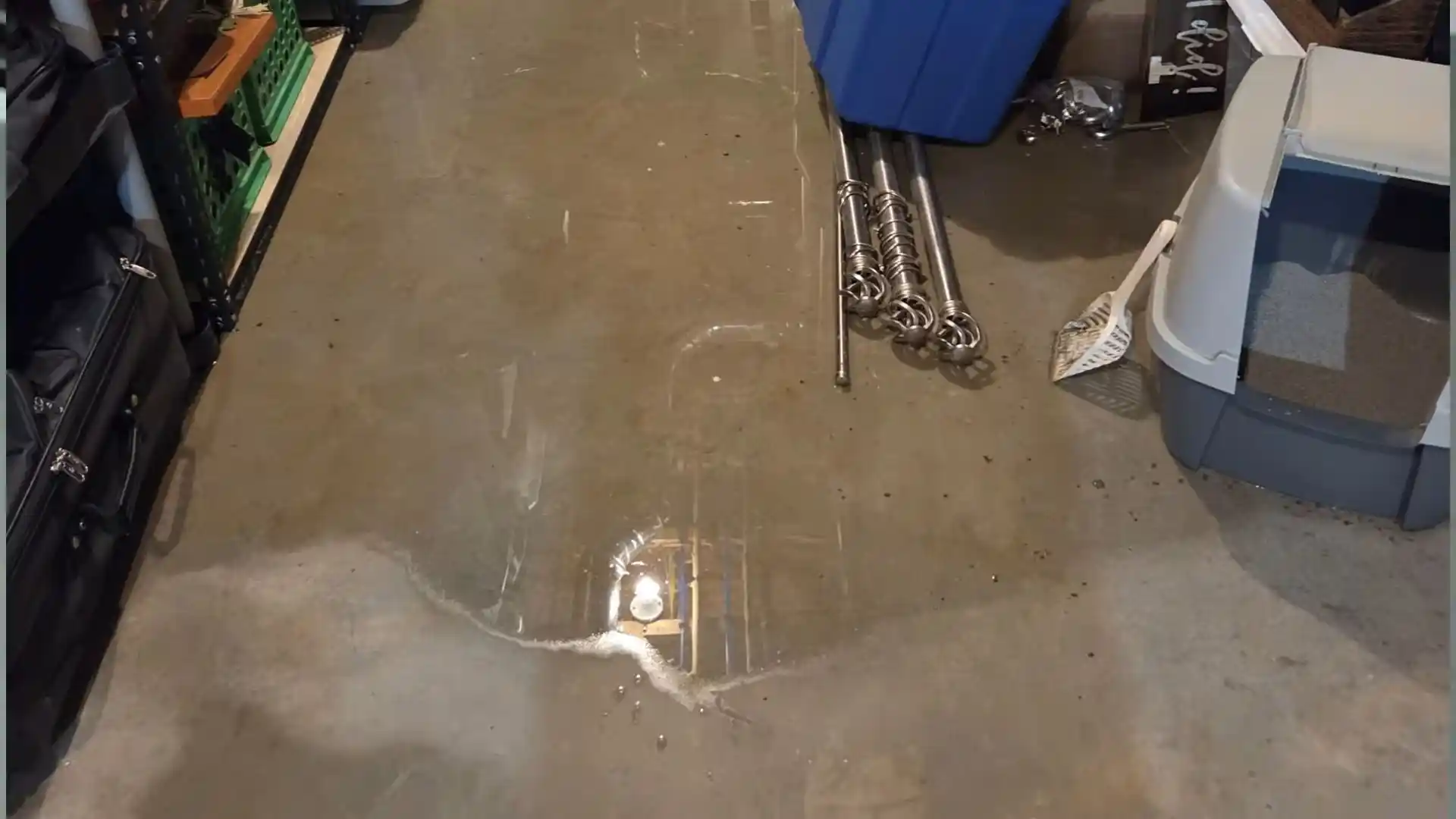
Floodwater is a delivery system. It picks up soil, lawn chemicals, fuel residue from pavement, and whatever the storm drains were carrying, and it deposits all of it in a thin film across every surface it touched in your home.
That film is why flood cleanup is a sanitation job, not just a drying one, a floor that looks merely damp after the water recedes is actually coated in contaminants that need to be physically cleaned and disinfected before the space is safe to occupy or rebuild.
The cleanup sequence runs: remove standing residue and silt (the mud-out), clear out contents and materials too saturated or contaminated to save, wash and disinfect every affected hard surface, and then transition to monitored structural drying.
On this site, flood damage restoration covers the full arc of a flood event from emergency response through rebuild; this page covers the cleanup phase itself, which is usually the largest single block of labor in that arc.
The most time-consuming part of most flood cleanups isn't the structure, it's the contents. Every item the water touched needs a decision, and the decision rules depend on material and water category. Solid wood furniture frequently survives with cleaning and controlled drying.
Upholstered pieces that sat in contaminated floodwater generally don't. Paper, cardboard, and particleboard are almost always losses. Electronics that were submerged are unsafe to power on regardless of how they look. Washable textiles usually recover; carpet and pad that sat under floodwater usually don't.
We work through contents room by room with you, documenting every item that leaves as a loss, description, photo, and disposition, because a properly itemized contents inventory is the difference between a smooth contents claim and months of back-and-forth with an adjuster.
It's tedious exactly once, at cleanup time, and valuable for the entire life of the claim.
Montgomery County's flash-flood pattern is well documented at this point, county officials expanded early-warning systems after a 2021 Rockville flooding event, and a July 2025 flash flood generated over 100 rescue calls county-wide in two hours.
Those short, violent rain events are the flood profile this area actually faces: not slow river rises with days of warning, but hours from clear skies to water in the house. That profile shapes cleanup demand too.
After a county-wide event, cleanup crews are the bottleneck everywhere at once. Calling early in the event, even before you know the full extent, gets you into the dispatch queue while the water is still receding.
Beyond the structure itself, flood cleanup often involves restoring or documenting personal property, and the options available depend heavily on material type and how contaminated the water was. Document drying, using specialized freeze-drying techniques similar to those museums use for water-damaged archives, can recover paper records and photographs that look permanently ruined, provided they're stabilized (frozen, if necessary) within the first day or two rather than left to mold. Electronics that were submerged should never be powered on before professional evaluation; corrosion from flood residue continues damaging circuitry even after the device dries, and a device that looks fine can fail weeks later.
Pack-out services, where salvageable contents are inventoried, packed, and moved to a secure off-site facility while structural work proceeds, make sense for floods affecting a large area of finished living space. This keeps contents out of the drying zone (dust, debris, and equipment don't mix well with your furniture) and gives specialized content-cleaning technicians room to work through the inventory methodically rather than racing the structural timeline.
Textile cleaning for flood-affected upholstery, curtains, and clothing uses different methods depending on whether the water was clean or contaminated. Clean-water textiles often respond well to standard laundering or professional cleaning; anything touched by contaminated floodwater needs specialized antimicrobial treatment or, in many cases, is a documented loss rather than a cleaning candidate, a distinction worth understanding before you assume everything can be saved.
Before any cleanup starts, ours or yours. Re-entry has rules. Power first: if water reached outlet height or any plugged-in appliance, the affected circuits stay off until confirmed safe, and if the panel itself is in the flooded area, nobody touches it standing in water, full stop.
Structure second: floodwater undermines. Check that stairs feel solid and floors don't flex before trusting them with your weight. Air third: fuel-burning equipment (generators, heaters) never runs inside or near openings; post-flood carbon monoxide incidents are a documented pattern after regional events.
And skin: waterproof boots and gloves for any contact, because flood residue is contaminated even after it dries. None of this takes long. All of it matters more than any object you're going in to retrieve.
As soon as water levels drop enough to work safely and power to the affected area is confirmed off or safe. You don't need to wait for the space to be fully drained. Extraction and cleanup often overlap, and earlier starts consistently save more materials.
Photograph everything as-is for your claim, keep people and pets out of the water, and don't run HVAC that could pull contaminated air through the house. Beyond moving small valuables to a dry area, leave contents where they are. Their documented location and condition matter for the claim.
Treat it that way until assessed. Exterior floodwater is contaminated by definition, so surfaces need disinfection, not just drying. The practical save-or-discard line runs by material: non-porous items clean up reliably; porous materials that absorbed floodwater usually can't be made safe.
Mud-out, sanitizing, and contents crews dispatch around the clock after flood events.
☎ Call (240) 207-7823