A burst supply line puts water into your home at mains pressure. Gallons per minute, every minute, until someone turns it off. It's the fastest-moving water emergency a house can have, and the response has three parts that need to happen in order: stop the water, remove the water, dry and repair what it touched. We handle the emergency from the first phone call, starting with talking you to your shutoff valve.
Montgomery Village sits squarely in freeze-thaw territory: humid summers, real winters, and the repeated cross-freezing cycles that are harder on plumbing than sustained deep cold.
The classic local failure is the pipe run through an under-insulated space, an exterior wall cavity, a garage ceiling, a cantilevered floor over open air, that freezes during a cold snap, and bursts not while frozen but during the thaw, when the ice plug releases and pressurized water meets the split the ice opened.
That timing is why burst-pipe calls spike on the warm day after a freeze, and why a pipe that “survived” the cold snap hasn't necessarily survived it.
Age is the other local factor. Much of the Village's housing dates to the community's original development era, and supply plumbing from those decades, along with the fittings, valves, and washing-machine connections attached to it, is at or past the age where failures stop being surprising. The burst is sudden; the vulnerability usually wasn't.
When you call with water actively flowing, the first minutes happen over the phone: we direct you to the main shutoff, typically where the service enters the house near the water meter, often street-side in the basement or utility area.
And to the breaker panel if water is near anything electrical. Crews dispatch simultaneously.
On arrival, extraction starts immediately while the plumbing repair is coordinated (we work alongside your plumber, or bring the coordination if you don't have one), because at mains pressure even a short release means serious volume: a typical residential line can put out water measured in bathtubs per hour, not cups.
Then the job becomes a standard water loss run properly: moisture mapping of every cavity the water reached, monitored structural drying, and repair of what the water damaged on its way through, which, for second-floor supply failures, very often includes the ceiling below.
If that's your situation, our ceiling water damage repair page covers that half of the story in detail.
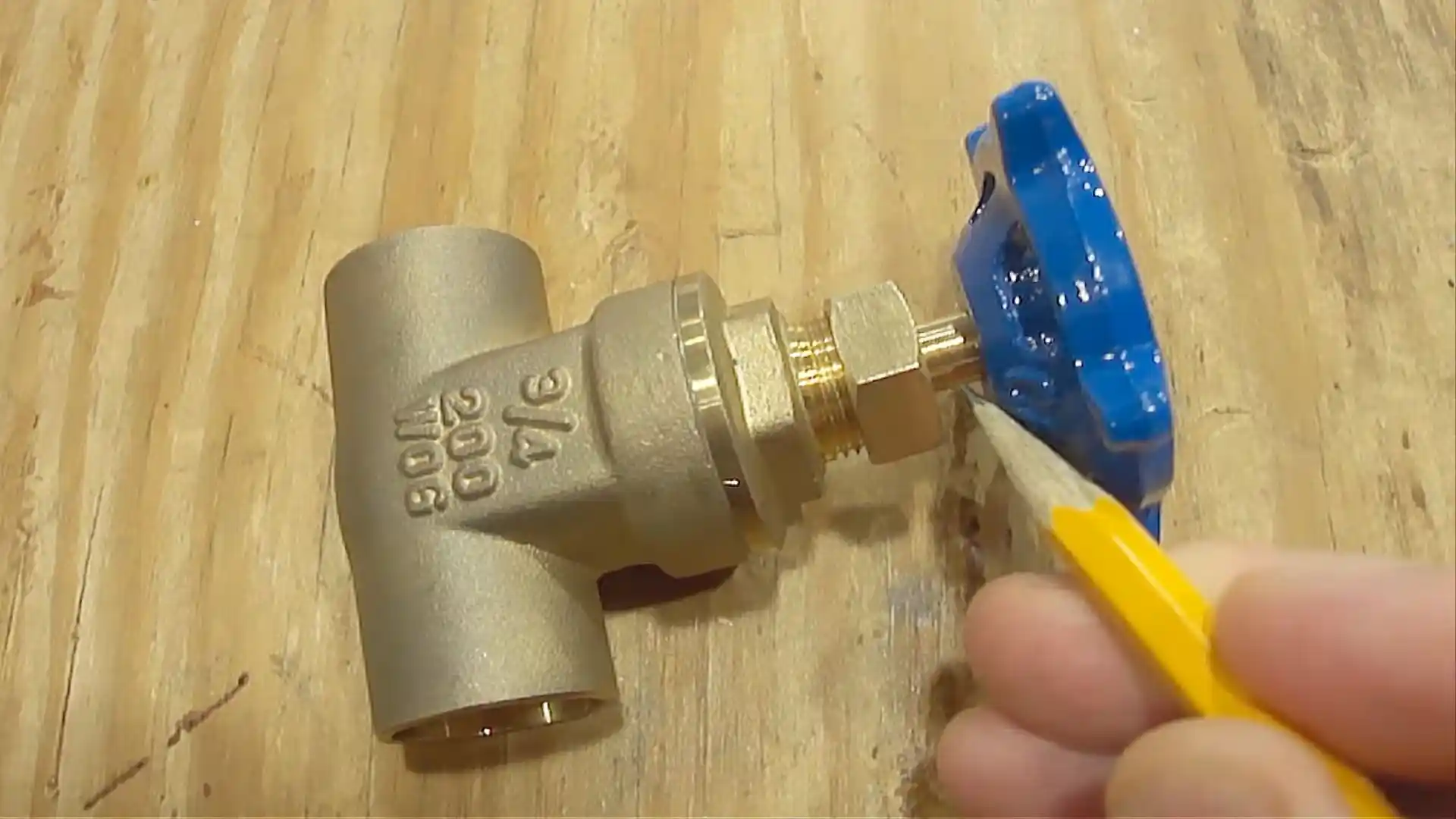
The single most valuable five minutes of preparation a homeowner in the Village can spend: find your main shutoff valve today, turn it once to confirm it actually moves (decades-old gate valves seize in place, and a seized valve during an active burst is a genuine emergency inside an emergency), and make sure everyone in the house knows where it is.
Water damage from a burst line scales almost linearly with minutes-to-shutoff, the difference between a two-minute shutoff and a twenty-minute search is, quite literally, most of the loss.
Not all plumbing materials fail the same way, and knowing what's in your walls helps calibrate realistic risk. Copper piping, common in homes built through the 1980s, resists freeze-bursts reasonably well due to its ductility but can develop pinhole leaks from water chemistry issues over decades of service. PEX piping, the flexible plastic tubing common in newer construction and many repipe jobs, tolerates freezing better than rigid copper in many cases because it can expand slightly, though it isn't immune to bursting under sustained freeze conditions.
Polybutylene piping, a gray plastic pipe installed widely in the 1980s and into the mid-1990s before manufacturing defects led to its discontinuation, remains in some homes from that construction era, including parts of North Potomac's housing stock. Polybutylene's known failure pattern, brittleness developing from chlorine exposure in municipal water over years, means a proactive repipe conversation with a licensed plumber is worth having if you know or suspect your home has it, rather than waiting for a failure to force the issue.
Pressure regulator valves, which reduce incoming municipal water pressure to a safe level for household plumbing, deserve occasional attention too: a failing regulator that allows pressure to creep upward stresses every fitting and connection in the house simultaneously, and a sudden multi-point failure during a pressure spike is a less common but real burst-pipe scenario distinct from freeze damage. If your home's water pressure has crept up over time or you've never had it tested, a plumber can check it in minutes.
Burst-pipe prevention in this climate is mostly about the handful of vulnerable runs every house has. Insulate pipes in exterior walls, garages, and crawl spaces. Foam sleeves cost little and address the classic freeze points.
Before hard freezes, disconnect hoses and shut interior valves to exterior spigots; a connected hose traps water right where it freezes first.
During cold snaps, let vulnerable faucets drip overnight, moving water resists freezing, and open cabinet doors under sinks on exterior walls so room heat reaches the plumbing. Replace rubber washing-machine hoses with braided stainless on any schedule at all; they're a leading burst source at any temperature.
And the one from earlier on this page, worth repeating: know your main shutoff and confirm it turns. Prevention won't reach every failure, but it reliably reaches the common ones.
Main shutoff valve, immediately, where the water service enters the house, usually near the meter. If you can't find or turn it, call us while you look and we'll talk you through it. Then breaker off to affected areas if water is near outlets or appliances. Extraction dispatches while we're on the phone.
Not yet. The dangerous moment is the thaw, when pressure returns to a possibly-split line. Shut off water to that run if you can, open the affected faucet to relieve pressure, and thaw gradually (warm air, never open flame). Any sign of moisture as it thaws means the split already happened.
Our scope is the emergency response and everything the water did: shutoff guidance, extraction, drying, and structural repair. The pipe repair itself is licensed plumbing work, we coordinate directly with your plumber or arrange one, so the sequence from shutoff to repaired ceiling runs as one job instead of three.
Shutoff guidance over the phone, extraction crews dispatched immediately, 24/7.
☎ Call (240) 207-7823