Montgomery Village · Gaithersburg · Montgomery County, MD
24/7 Dispatch · (240) 207-7823
Water DamageServicesFire DamageMold Remediation
Mold Remediation Services

Attic Mold Removal In Montgomery Village, MD

Attic mold is the mold nobody sees coming. Literally, since almost no one looks. It grows across roof sheathing for years, discovered by a home inspector, an HVAC tech, or a homeowner chasing a smell, and by discovery it often covers substantial area. The good news buried in that: attic mold follows predictable causes, and both the removal and the prevention are well-understood problems.
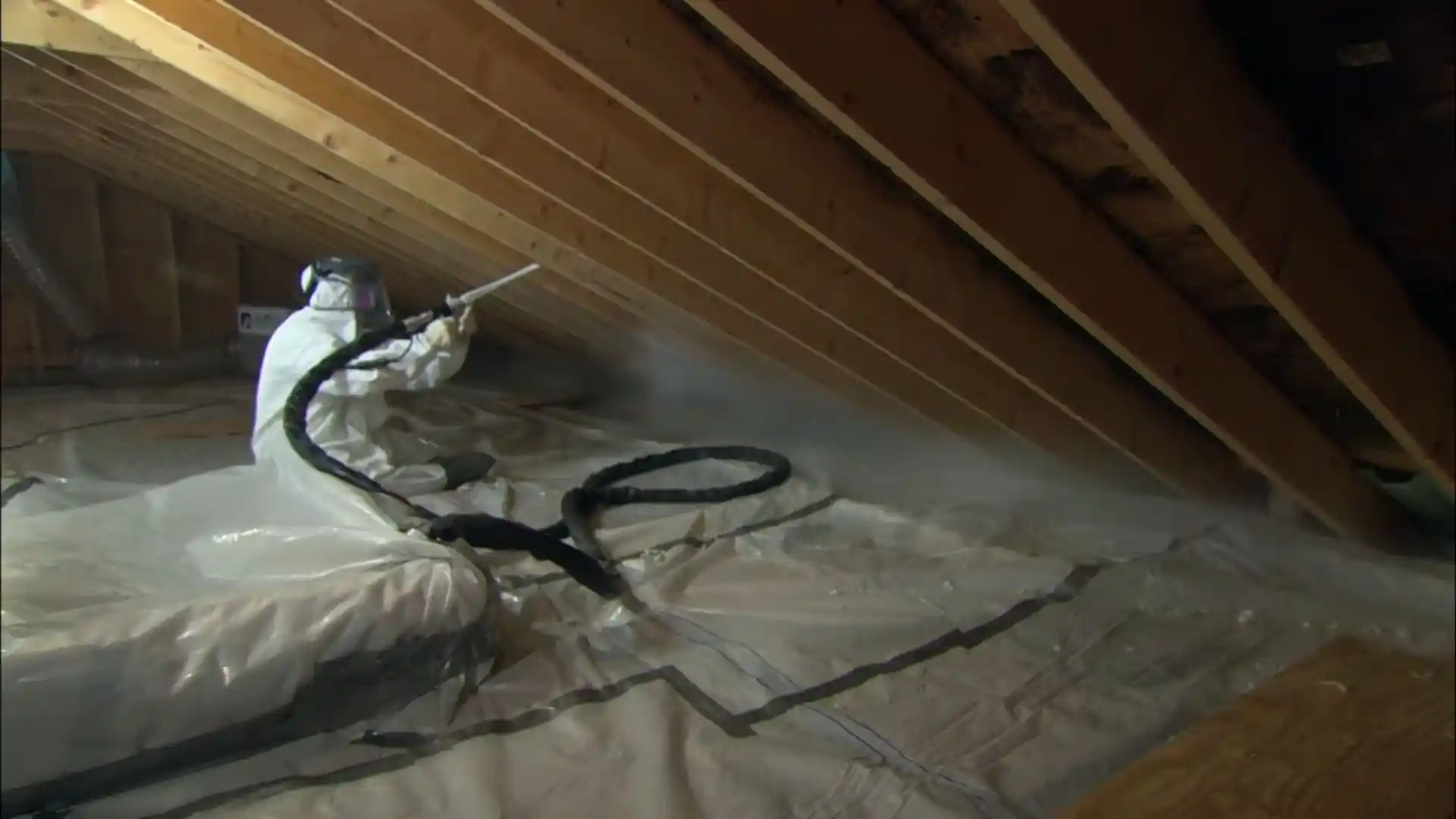
Attic mold growth on roof sheathing in Montgomery Village, MD
24/7 Emergency ResponseCrews dispatch immediately, any hour
☎ Call Now
🛡️Licensed & Insured Crews
📋Insurance & HOA Documentation
⏱️24/7 Emergency Dispatch
📍Serving Montgomery Village & Montgomery County

The Three Ways Attics Grow Mold

Cause one: roof leaks, failed flashing, aging shingles, storm damage of the kind the June 2024 tornado corridor event visited on this area, wetting sheathing in a localized patch that molds around the leak path. Cause two, and the most common in this climate: winter condensation.

Warm, moist household air rises into the attic through ceiling penetrations, hits roof sheathing chilled by winter air, and condenses, night after night, all season. The mold pattern is the giveaway: widespread, often worse on the north-facing slope, frosting the sheathing rather than tracking a leak.

Cause three: ventilation and exhaust failures, blocked soffit vents, or the genuinely common discovery of a bathroom fan duct exhausting straight into the attic, pumping shower humidity onto cold wood every morning.

Montgomery Village's humid-plus-freeze-thaw climate makes the condensation mechanism especially productive, and homes from the community's original construction era predate current ventilation code. Many attics here were marginal on airflow from the day they were built.

Removal On Sheathing And Framing

Attic remediation differs from living-space work in a key way: the colonized material, roof sheathing and rafters, is structural and stays, so treatment happens in place.

The protocol: containment at the attic access so work doesn't seed the house below, HEPA vacuuming of loose growth, and surface remediation of the wood by media blasting (fine abrasive that strips growth from grain) or antimicrobial treatment depending on severity, followed by a preventive coating on remediated surfaces where conditions warrant.

Insulation contaminated by growth or saturation is removed and replaced. It can't be cleaned and it's hiding the sheathing we need to treat anyway.

Structural evaluation rides along: sheathing that's delaminated or soft from long-term moisture is a roofer conversation, not a cleaning one, and we flag it plainly when we find it.

Fix The Attic Or Repeat The Job

Attic mold remediation without correcting the moisture dynamics has a predictable half-life of one or two winters.

The close-out of every attic job is therefore a cause-correction punch list: seal the ceiling air-leakage paths (attic hatch, recessed lights, top plates) that feed household moisture upward; confirm soffit-to-ridge airflow is real and unblocked, with baffles keeping insulation out of the soffits; and re-route any exhaust fan terminating in the attic to an exterior vent, the single highest-yield fix on the list when it's present.

Some items are ours, some belong to a roofer or insulation contractor; the report assigns each so nothing lands in the gap between trades.

Attics, Sale Inspections, And Timing

A large share of attic mold jobs surface during real-estate transactions, the buyer's inspector opens the hatch, photographs the sheathing, and a closing date starts driving the schedule.

Worth knowing for either side of that table: the remediation itself is usually a contained few days of work, documentable with before-and-after photos and clearance verification that satisfies lenders and buyers, and the cause-correction items convert an inspection liability into a documented improvement.

If you're selling a Village home this season, checking your own attic before listing costs one flashlight trip, and finding growth on your schedule beats finding it on a buyer's.

Attic Ventilation Systems And The Balance They Require

Proper attic ventilation depends on a balanced intake-and-exhaust system, and understanding the components explains why a partial fix, adding one element without the other, often fails to solve a moisture problem. Soffit vents, positioned under the roof eaves, provide intake, drawing outside air into the attic space. Ridge vents, running along the roof's peak, provide exhaust, allowing warm, moist air to escape at the highest point. These two components work as a system: soffit vents without adequate ridge or roof-line exhaust simply can't move air effectively, and the reverse is equally true.

Bathroom exhaust fans that vent into the attic rather than to the exterior, a code violation that nonetheless appears in a meaningful share of older homes, defeat proper ventilation by injecting concentrated humidity directly into the attic space regardless of how well the soffit-to-ridge system is designed. Correcting this single issue, rerouting the exhaust duct to a proper roof or wall termination, is frequently the highest-impact fix available for a chronically damp attic.

Ice dam prevention, relevant to winter attic moisture specifically, depends on adequate attic insulation and ventilation working together to keep the roof deck cold enough that snow doesn't melt and refreeze at the eaves, a cycle that otherwise forces water backward under shingles and into the attic space. Insulation R-value recommendations for this climate zone are worth discussing with an insulation contractor if your attic runs warm in winter; it's both an energy efficiency question and a moisture prevention one.

Common Questions

Attic Mold Removal FAQ

Does attic mold affect the air in my living space?

Less directly than living-space mold, attic air mostly moves outward through the ridge, but connections exist: the access hatch, ceiling penetrations, and any HVAC equipment or ducts in the attic can move spores downward. It warrants remediation on structural and resale grounds even when the air impact is modest.

Can I remediate a small patch of attic mold myself?

A genuinely small, leak-traced patch on accessible sheathing is at the edge of reasonable DIY with proper respiratory protection and containment discipline, but the widespread condensation pattern isn't, and most attic discoveries are that pattern. Either way, skipping the cause-correction step makes any cleaning temporary.

My bathroom fan vents into the attic. Is that really a big deal?

It's one of the most reliable attic-mold generators there is, a humidity pump aimed at cold sheathing every day. Re-routing to an exterior termination is a modest job for an HVAC or handyman contractor and closes off the moisture source permanently. If there's already growth up there, remediate and re-route together.

Related Services

You May Also Need

Mold Inspection

View Service →

Storm Damage Restoration

Full Service Details →

Mold Across Your Attic Sheathing?

Assessment, contained remediation, and the cause-correction plan that keeps it gone.

☎ Call (240) 207-7823