A fire at a business creates two emergencies at once: the physical damage, and the operational stoppage that starts costing money the moment it begins. Commercial fire restoration is about running both recoveries in parallel, securing and restoring the structure while building the documentation and phasing plan that gets some version of your operation running as early as possible.
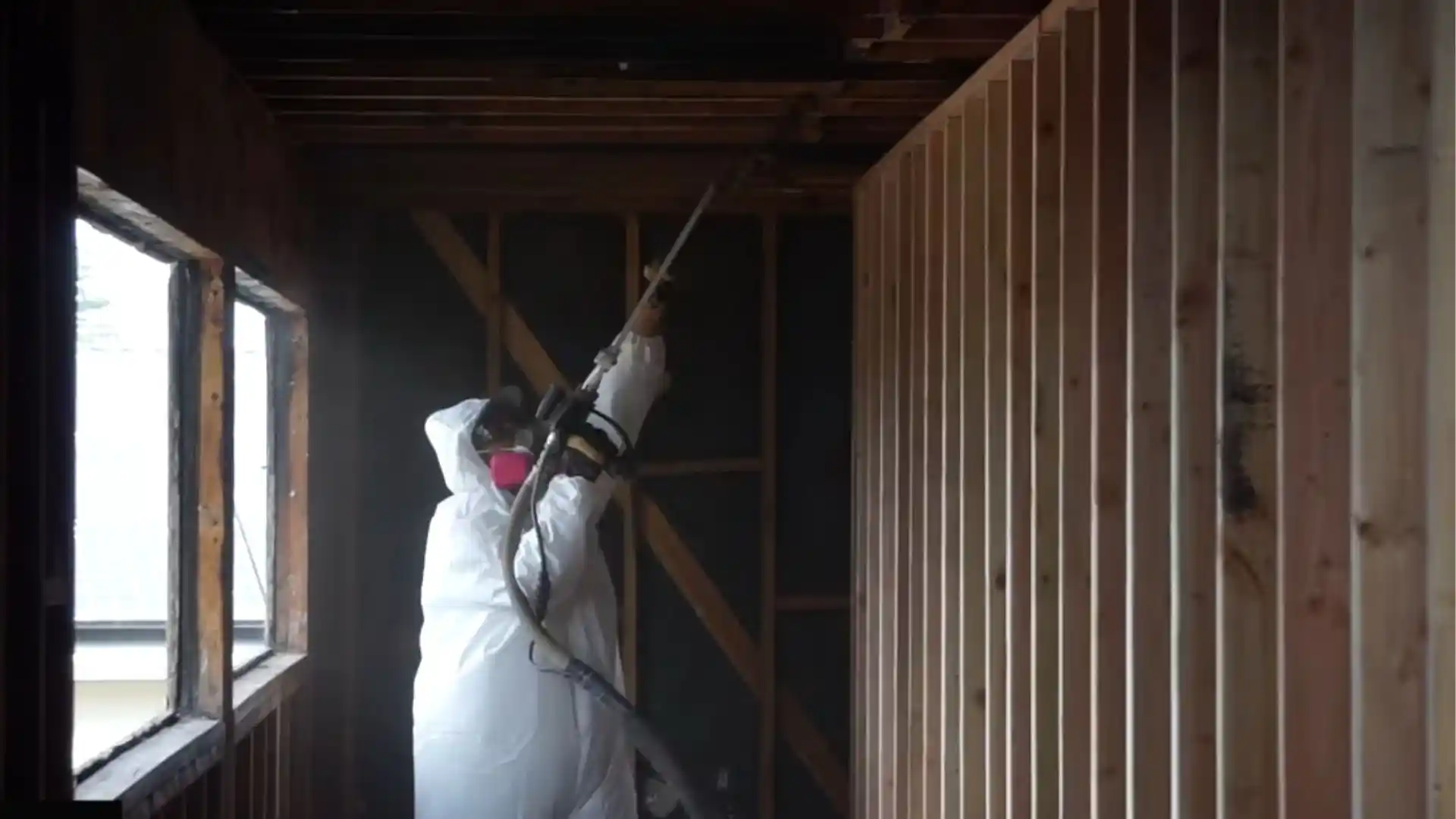
The immediate priorities after the fire department releases the scene are stabilization and evidence. Stabilization means board-up, roof tarping if the fire vented through, fencing or securing openings, and extracting the firefighting water that's now soaking everything the fire didn't burn, on most commercial fire losses, water and smoke damage together exceed the flame damage by a wide margin.
Evidence means documenting everything before cleanup disturbs it: origin-area photos, contents in place, residue patterns.
Commercial fire claims involve more parties than residential ones, property insurer, tenant insurers, sometimes fire-cause investigators, and thorough day-one documentation keeps all of them moving instead of waiting on each other.
Residential restoration optimizes for a finished home; commercial restoration optimizes for earliest safe operation. That usually means phasing: isolating the damage zone with containment, restoring and clearing the least-affected areas first, and reopening partial operations while heavier restoration continues behind the barrier.
A retail space might reopen its sales floor while the stockroom is still in reconstruction; an office might reoccupy one suite while another is down to studs. We build the phasing plan with you during assessment, because only you know which square footage earns its keep first.
Contents get a parallel track. Inventory, equipment, and records are triaged into restorable and lost, with smoke-exposed electronics evaluated before anyone powers them up.
Residue is corrosive and conductive, and the machine that “seems fine” is the one that fails a month later. For businesses with paper records or specialized inventory, we document the loss at line-item level, which is tedious exactly once and invaluable for the entire claim.
The Montgomery Village area's commercial stock, professional suites, service businesses, food service, and the retail activity in and around the redeveloping Lakeforest Mall corridor, skews toward multi-tenant configurations, and multi-tenant fire losses have a specific shape: smoke and firefighting water cross tenant boundaries even when flames don't.
The suite next to the fire may be untouched by flame and still unusable from smoke residue and saturated ceilings.
We assess and document per-suite from the start, so each affected tenant and the property owner can file under the correct policy without waiting on a combined scope to be untangled later. Where a shared system, roof, HVAC, sprinkler riser, is the damaged element, that documentation distinction matters even more.
A full commercial fire engagement runs: emergency securing and water extraction, structural assessment and demolition of fire-compromised elements, smoke residue restoration across every space air reached, duct system cleaning, odor treatment before reoccupancy, and reconstruction to pre-loss condition, with monitored drying throughout wherever suppression water went, because a commercial structure rebuilt over damp framing is a commercial mold problem on a delay timer.
Every phase produces its own documentation set, and the completion package includes final readings, clearance confirmations, and the full photo record.
A closing note on records: businesses that scan their lease, insurance declarations, and equipment inventory to cloud storage before any loss recover measurably faster after one, the fire that destroys the filing cabinet otherwise destroys the claim's paperwork with it.
It's a one-afternoon task, and after walking clients through reconstructing records from memory, we recommend it to every commercial property contact we have.
Commercial fire losses intersect with building and fire code compliance in ways residential losses generally don't. Reconstruction after a commercial fire typically has to meet current code, not just replicate what existed before, which means a building fire-damaged in a space last renovated decades ago may require code upgrades (updated electrical, fire suppression system components, accessibility features) as part of the rebuild, upgrades that are sometimes covered under an "ordinance or law" provision in the commercial policy and sometimes aren't. Reviewing this specific policy provision before reconstruction begins can prevent an expensive surprise partway through the project.
Fire investigation reports, produced by the fire department or an independent cause-and-origin investigator, often need to be finalized before certain reconstruction work can proceed, particularly in cases involving significant loss or any question about cause. We coordinate around this timeline rather than working against it, since disturbing an undetermined origin area before investigators clear it can complicate both the investigation and, in some cases, the insurance claim itself.
Tenant relocation, for commercial properties with multiple businesses, adds a layer most residential fires never involve: coordinating temporary space, managing multiple points of contact, and sequencing restoration so that unaffected tenants can return to a safe, code-compliant space as early as possible even while other sections remain under restoration. Clear, proactive communication with every affected tenant, not just the property owner, tends to be the difference between a commercial fire recovery that goes smoothly and one that generates ongoing disputes.
Structural re-entry happens once the fire department releases the scene and our assessment confirms safety, often same-day for limited fires. Reoccupancy for business is a different threshold, air quality, odor, and clearance. And depends on damage extent. The phasing plan gives you dates per zone rather than one distant finish line.
Typically your own tenant policy covers your contents and interior damage, while the building owner's policy covers structure. Smoke damage is real damage under both. We document your suite independently from the fire suite so your claim proceeds on its own timeline.
Constantly. We preserve the origin area until investigators clear it, document everything before disturbance, and provide adjusters the per-phase scopes and photo records they need. Restoration that respects the investigation avoids the delays that come from getting ahead of it.
Securing, documentation, and phased restoration, emergency response around the clock.
☎ Call (240) 207-7823