Smoke odor is the part of a fire that outlasts everything else. Surfaces are cleaned, walls repainted, contents restored, and the house still announces the fire to everyone who walks in. That's because odor isn't a surface problem: smoke molecules embed in porous materials, hide in cavities air reached, and re-release for months. Real odor removal means finding every reservoir and neutralizing the molecules themselves.
Smoke is composed of microscopic particles and volatile compounds small enough to penetrate where liquids and wipes never go: into unsealed wood grain, drywall cores, insulation, carpet backing, upholstery foam, and the dust inside wall cavities and duct runs.
Surface cleaning removes the residue you can reach, but the embedded molecules keep off-gassing, which is why the smell strengthens on humid days and after the house is closed up, as moisture and still air concentrate what the materials release.
Montgomery Village's humid summers make this effect noticeably worse; a house that seemed fine in April can smell like the fire again in July.
Masking agents and household deodorizers fail for the same reason: they add a competing smell without touching the source. Effective odor work attacks the reservoirs directly and then treats the air volume with technologies that chemically alter the odor molecules rather than covering them.
Professional odor elimination is a sequence, not a single machine. Source removal comes first, charred material, saturated insulation, and unrecoverable porous contents leave, because no treatment out-competes an active reservoir. Then deep cleaning of remaining surfaces, including duct interiors.
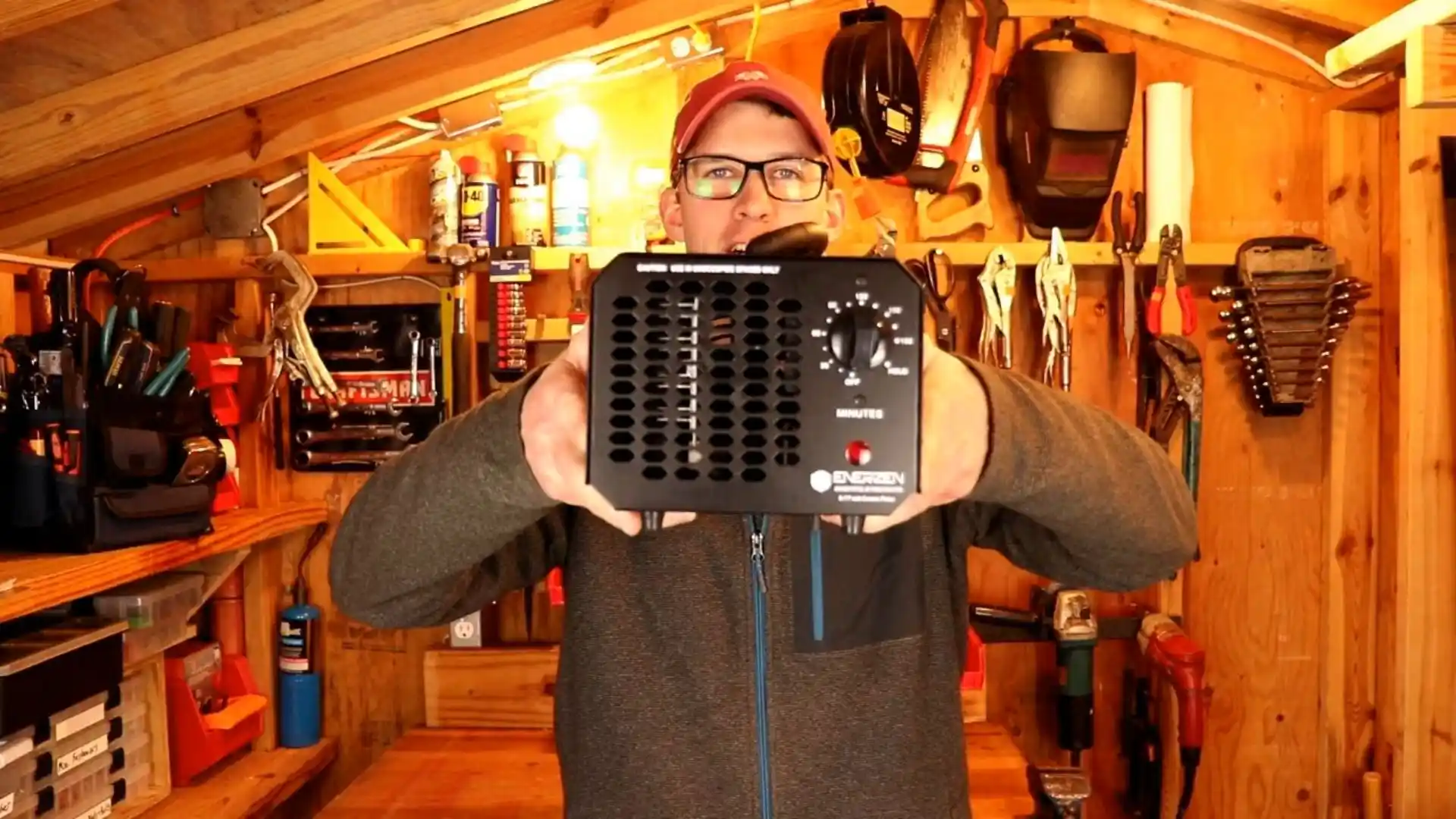
Then the air and cavity treatments: thermal fogging, which recreates smoke's own penetration behavior with a neutralizing agent so it reaches every space the smoke did; ozone treatment, which oxidizes odor molecules in unoccupied spaces (people, pets, and plants out.
Ozone at working concentration is not breathable); and hydroxyl generation where spaces must stay occupied during treatment, trading speed for safety. Sealing finishes the job on surfaces that can't fully release, stain-and-odor-blocking primers lock remaining molecules into framing and subfloor before rebuild.
Which combination applies depends on fire size, materials involved, and how long odor has had to settle in: the assessment pairs reservoirs to treatments rather than running everything everywhere.
A meaningful share of odor calls involve fires that happened elsewhere or long ago. Buyers discover a previous owner's fire the first humid week in a new house.
A unit in a townhome cluster absorbs a neighbor's smoke through shared cavities, the same path structure our smoke damage restoration page describes. And holds the odor after the visible event is resolved next door.
Long-term cigarette smoke saturation behaves identically to fire smoke and yields to the same treatment sequence. In every version, the method holds: find the reservoirs, remove or neutralize them, treat the volume, verify by nose and time rather than by promise.
Odor work has a credibility problem in this industry. Treatments get run, the house smells like treatment for a week, and the smoke smell returns when it fades.
Our close-out accounts for that: after treatment, the space gets sealed and rested, then evaluated under the conditions that make odor reappear, closed-up, ideally warm and humid, not aired-out and freshly fogged.
If a reservoir survived, that test finds it while we're still on the job, and we treat again rather than hand you a callback. The goal isn't a house that smells treated; it's a house that smells like nothing at all.
One scheduling reality worth planning around: odor treatment is the last major phase before reoccupancy, so it lands on the critical path of every move-back date, booking it as the rebuild finishes, rather than after, keeps the calendar honest.
Several distinct technologies address smoke odor, and matching the right one to the situation affects both how well it works and how quickly a space can be reoccupied. Hydroxyl generators produce hydroxyl radicals, the same molecules the atmosphere itself uses to naturally break down pollutants, and they work slower than ozone but are safe to run in occupied spaces, making them the right choice when a family or business can't fully vacate during treatment. Ozone generators work faster and more aggressively but require complete evacuation of people, pets, and plants during treatment and thorough ventilation afterward, since ozone at effective concentrations is a respiratory irritant.
Thermal fogging, which we've described elsewhere as matching smoke's own penetration pattern, pairs well with either hydroxyl or ozone treatment as a complementary technique rather than a standalone replacement; fogging treats surfaces and cavities smoke reached, while hydroxyl or ozone treats the ambient air and hard-to-reach spaces simultaneously.
Enzyme-based odor counteractants, which chemically break down odor-causing organic compounds rather than masking or oxidizing them, are often used on soft materials like upholstery and carpet that can't undergo thermal fogging or tolerate ozone exposure well. For surfaces that will be resealed or repainted, an odor-blocking primer applied after treatment provides a final barrier against any residual off-gassing from framing or subfloor that full treatment didn't completely resolve, cheap insurance against the odor resurfacing weeks after the job is otherwise complete.
Typically two to five days depending on treatments used. Ozone runs need the space unoccupied for a day or more plus airing time, thermal fogging is faster, hydroxyl is slower but occupiable. Add source-removal and cleaning time ahead of treatment. The verification rest period comes after.
For the home, yes, when properly run, for occupants during treatment, no. Ozone at effective concentrations is a respiratory hazard, so people, pets, and plants are out for the duration and the space is aired before reoccupancy. That occupancy requirement is exactly why hydroxyl exists as the alternative.
Standard paint isn't an odor barrier, molecules in the drywall and framing off-gas right through it. The fix is source treatment and then odor-blocking primer-sealer before the finish coat. Repainting over untreated smoke damage is the most common way this job gets done twice.
Source removal, fogging, and ozone treatment, scheduled fast across Montgomery Village.
☎ Call (240) 207-7823